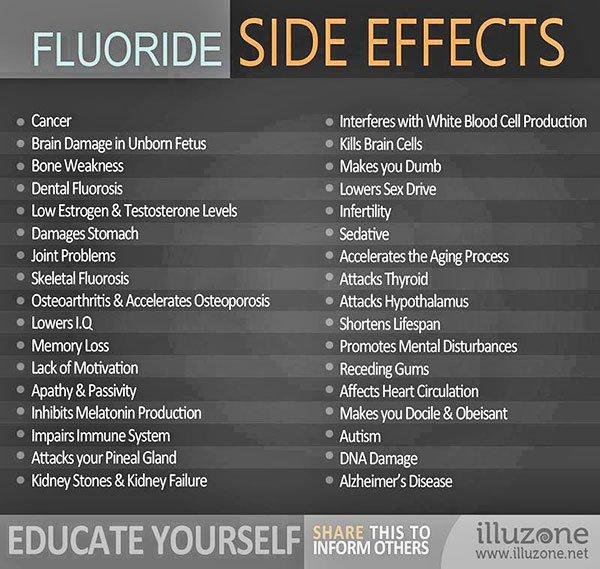
• Mensen kies niet voor #fluoride, pas goed op vanwege de gezondheidsrisico's zoals impact op hersenontwikkeling, schildklier, botten en het zenuwstelsel
    Mensen kies niet voor #fluoride, pas goed op vanwege de gezondheidsrisico's zoals impact op hersenontwikkeling, schildklier, botten en het zenuwstelsel
    1
    0 Yorumlar 0 hisse senetleri
  • ELEKTRISCHE AUTO'S.

    Batterijen slaan elektriciteit op die wordt geproduceerd, vooral via steenkool, uranium, natuurlijke centrales of dieselgeneratoren.

    De elektriciteit komt van elektriciteitscentrales en velen daarvan verbranden bomen steenkool of gas.

    De brandgevaarlijke onduurzame en peperdure batterijen, maar ook alle windmolens en zonnepanelen zijn erg belastend voor de natuur het klimaat.

    Een accu van elektrische auto weegt 450 kg, bevat 11 kg lithium, 27 kg nikkel, 20 kg mangaan, 14 kg kobalt, 90 kg koper en 180 kg aluminium, staal en kunststof. Er zitten meer dan 6000 individuele schadelijke en explosief brandbare lithium-ioncellen in.

    Om elke BEV-batterij te maken, moet je 11.000 kg zout verwerken voor lithium, 15.000 kg kobaltmineraal, 2,270 kg hars voor nikkel en 11.000 kg kopermineraal.

    Voor één batterij moet men 225.000 kilo grond halen.
    Het grootste probleem met zonnesystemen zijn de chemicaliën die worden gebruikt om silicaat om te zetten in het grind dat voor de panelen

    Om voldoende silicium te produceren moet het behandeld worden met chloride, zwavelzuur, fluoride, trichloorethaan en aceton, en dat is allemaal slecht v het klimaat en daarnaast zijn ook gallium, arsenide, koper-indiaan-galiumdiselenuride en cadmiumtelluride nodig, die ook zeer giftig zijn voor flora en fauna.

    Siliconenstof is een gevaar voor werknemers en tegels kunnen niet gerecycled worden.

    Windmolens zijn erg duur, onduurzaam en oorzaak van de milieuvernietiging.

    Elke windmolen weegt 1.688 ton (overeenkomend met het gewicht van 23 huizen) en bevat 1300 ton beton, 295 ton staal, 48 ton ijzer, 24 ton glasvezel en zeldzame landen die moeilijk te verkrijgen zijn Neodymium, Praseodymium en Dyprosium.

    Elk van de drie schoppen weegt 40.000 kg en heeft een levensduur van 15 tot 20 jaar, waarna ze vervangen moeten worden. We kunnen gebruikte rotorbladen niet recyclen.
    Deze technologieën kunnen zeker hun plaats krijgen, maar we moeten verder kijken dan de mythe van vrijheid van uitstoot. Going Green lijkt misschien een utopisch ideaal, maar als je op een realistische en onpartijdige manier naar de verborgen en ingebedde kosten kijkt, zul je zien dat “alles wat men groen noemt veel meer schade aanricht aan het milieu op aarde.
    ELEKTRISCHE AUTO'S. Batterijen slaan elektriciteit op die wordt geproduceerd, vooral via steenkool, uranium, natuurlijke centrales of dieselgeneratoren. De elektriciteit komt van elektriciteitscentrales en velen daarvan verbranden bomen steenkool of gas. De brandgevaarlijke onduurzame en peperdure batterijen, maar ook alle windmolens en zonnepanelen zijn erg belastend voor de natuur het klimaat. Een accu van elektrische auto weegt 450 kg, bevat 11 kg lithium, 27 kg nikkel, 20 kg mangaan, 14 kg kobalt, 90 kg koper en 180 kg aluminium, staal en kunststof. Er zitten meer dan 6000 individuele schadelijke en explosief brandbare lithium-ioncellen in. Om elke BEV-batterij te maken, moet je 11.000 kg zout verwerken voor lithium, 15.000 kg kobaltmineraal, 2,270 kg hars voor nikkel en 11.000 kg kopermineraal. Voor één batterij moet men 225.000 kilo grond halen. Het grootste probleem met zonnesystemen zijn de chemicaliën die worden gebruikt om silicaat om te zetten in het grind dat voor de panelen Om voldoende silicium te produceren moet het behandeld worden met chloride, zwavelzuur, fluoride, trichloorethaan en aceton, en dat is allemaal slecht v het klimaat en daarnaast zijn ook gallium, arsenide, koper-indiaan-galiumdiselenuride en cadmiumtelluride nodig, die ook zeer giftig zijn voor flora en fauna. Siliconenstof is een gevaar voor werknemers en tegels kunnen niet gerecycled worden. Windmolens zijn erg duur, onduurzaam en oorzaak van de milieuvernietiging. Elke windmolen weegt 1.688 ton (overeenkomend met het gewicht van 23 huizen) en bevat 1300 ton beton, 295 ton staal, 48 ton ijzer, 24 ton glasvezel en zeldzame landen die moeilijk te verkrijgen zijn Neodymium, Praseodymium en Dyprosium. Elk van de drie schoppen weegt 40.000 kg en heeft een levensduur van 15 tot 20 jaar, waarna ze vervangen moeten worden. We kunnen gebruikte rotorbladen niet recyclen. Deze technologieën kunnen zeker hun plaats krijgen, maar we moeten verder kijken dan de mythe van vrijheid van uitstoot. Going Green lijkt misschien een utopisch ideaal, maar als je op een realistische en onpartijdige manier naar de verborgen en ingebedde kosten kijkt, zul je zien dat “alles wat men groen noemt veel meer schade aanricht aan het milieu op aarde.
    0 Yorumlar 0 hisse senetleri
  • wind turbines en zonnepanelen zijn erg slecht voor flora en fauna/ gevaarlijk en niet duurzaam

    Giftige chemicaliën, gassen en bijproducten bij de productie van zonnepanelen:

    Chemicaliën: zoutzuur, waterstoffluoride, natriumhydroxide, zwavelzuur, salpeterzuur, waterstoffluoride, fosfine en arseengas, fosforoxychloride en fosfortrichloride, dibroomboor

    46 Reasons why wind turbines cannot replace fossil fuels.

    1 Windmills require petroleum every single step of their life cycle. If they can’t replicate themselves using wind turbine generated electricity, they are not sustainable.
    2 SCALE. Too many windmills needed to replace fossil fuels.
    3 SCALE. Wind turbines can’t be built fast enough to replace fossils
    4 Not enough materials such as rare earth metals or fossil fueled heat to create the cement, steel, epoxy, and other parts needed.
    5 Not enough dispatchable power, such as natural gas or hydropower, to balance wind intermittency and unreliability.
    6 Wind blows seasonally, so for much of there year there isn’t much wind.
    7 When too much wind is blowing for the grid to cope with and not blackout, it has to be curtailed. If the wind is over 55 mph the wind turbine also has to shut down or risk being damaged.
    8 The best wind areas will never be developed – they’re too far from cities and the Grid.
    9 The Grid Can’t Handle Wind Power without natural gas.
    10 The role of the grid is to keep the supply of power steady and predictable. Wind does the opposite, at some point of penetration it may become impossible to keep the grid from crashing.
    11 Windmills wouldn’t be built without huge subsidies and tax breaks.
    12 Tremendous environmental damage from mining material for windmills.
    13 Wind is only strong enough to justify windmills in a few regions.
    14 The electric grid needs to be much larger than it is now.
    15 Wind blows the strongest when customer demand is the weakest.
    16 No utility scale energy storage in sight.
    17 Wind Power surges harm industrial customers.
    18 Energy returned on Energy Invested is negative.
    19 Wind Turbines break down too often.
    20 Wind doesn’t reduce CO2.
    21 Turbines increase the cost of farming.
    22 Offshore Windmills battered by waves, wind, ice, corrosion, a hazard to ships and ecosystems.
    23 Wind turbines are far more expensive than they appear to be.
    24 Wind turbines are already going out of business and fewer built in Europe.
    25 Windmills are so huge they’ve reached the limits of land transportation by truck or rail.
    26 Windmills may only last 12 to 15 years, or at best 20 years.
    27 Offshore wind turbines could affect fisheries.
    28 Wind has a low capacity Factor.
    29 The quality of wind resources is location specific, with the best locations often found far from the load center where the transmission grid already exists.
    30 Dead bugs and salt reduce wind power generation by 20 to 30%
    31 Germany has been spending more for much longer than other nations, and Energiewiende is a huge failure.
    32 Wind turbines more expensive to decommission than construct so often not recycled.
    33 Decommissioning wind turbines costs as much as $500,000 per wind turbine.
    34 Wind turbines threaten biodiversity in hundreds of protected, key biodiversity, and wilderness areas.
    35 Wind turbines and solar PV depend on the energy storage of coal and natural gas plants to provide power when the wind dies.
    36 Operations and Maintenance (O&M) costs are too high.
    Increasingly high insurance costs from hurricanes, wildfires, tornadoes, defective equipment, untrained personnel and more
    37 Turbines can’t be improved much, they are nearing the maximum possible harvesting of wind.
    Turbines are so heavy they damage roads during delivery
    38 Not enough metallurgical coal to make the steel for wind turbines.
    39 When oil prices rise, the cost of building wind turbines rises.
    40 Electricity can’t make cement, steel, glass, bricks, ceramics.
    41 Wind turbines are ecologically destructive.
    42 Supply chains: wind turbines need 10 times the materials of conventional energy technologies.
    43 Wind turbines are buckling and toppling, splatting wind blades across fields and oceans. See Nantucket.
    44 We can’t make wind turbines more efficient because we don’t understand turbulence.
    45 Peak wind? Wind generation declined in 2023 for the first time since the 1990s.
    46 Betz Limit of 59% — another 10-fold increase is not possible.
    As Warren Buffett said, " "For example, on wind energy, we get a tax credit if we build a lot of wind farms. That's the only reason to build them. They don't make sense without the tax credit."
    While the wind production tax credit may be great for the rich, it's harmful for taxpayers and energy consumers. The more wind turbines the higher the cost of electricity, and who suffers the most? The poor. #GreenEnergy #windturbine #windenergie

    https://amsterboek.nl/posts/5003
    wind turbines en zonnepanelen zijn erg slecht voor flora en fauna/ gevaarlijk en niet duurzaam Giftige chemicaliën, gassen en bijproducten bij de productie van zonnepanelen: Chemicaliën: zoutzuur, waterstoffluoride, natriumhydroxide, zwavelzuur, salpeterzuur, waterstoffluoride, fosfine en arseengas, fosforoxychloride en fosfortrichloride, dibroomboor 46 Reasons why wind turbines cannot replace fossil fuels. 1 Windmills require petroleum every single step of their life cycle. If they can’t replicate themselves using wind turbine generated electricity, they are not sustainable. 2 SCALE. Too many windmills needed to replace fossil fuels. 3 SCALE. Wind turbines can’t be built fast enough to replace fossils 4 Not enough materials such as rare earth metals or fossil fueled heat to create the cement, steel, epoxy, and other parts needed. 5 Not enough dispatchable power, such as natural gas or hydropower, to balance wind intermittency and unreliability. 6 Wind blows seasonally, so for much of there year there isn’t much wind. 7 When too much wind is blowing for the grid to cope with and not blackout, it has to be curtailed. If the wind is over 55 mph the wind turbine also has to shut down or risk being damaged. 8 The best wind areas will never be developed – they’re too far from cities and the Grid. 9 The Grid Can’t Handle Wind Power without natural gas. 10 The role of the grid is to keep the supply of power steady and predictable. Wind does the opposite, at some point of penetration it may become impossible to keep the grid from crashing. 11 Windmills wouldn’t be built without huge subsidies and tax breaks. 12 Tremendous environmental damage from mining material for windmills. 13 Wind is only strong enough to justify windmills in a few regions. 14 The electric grid needs to be much larger than it is now. 15 Wind blows the strongest when customer demand is the weakest. 16 No utility scale energy storage in sight. 17 Wind Power surges harm industrial customers. 18 Energy returned on Energy Invested is negative. 19 Wind Turbines break down too often. 20 Wind doesn’t reduce CO2. 21 Turbines increase the cost of farming. 22 Offshore Windmills battered by waves, wind, ice, corrosion, a hazard to ships and ecosystems. 23 Wind turbines are far more expensive than they appear to be. 24 Wind turbines are already going out of business and fewer built in Europe. 25 Windmills are so huge they’ve reached the limits of land transportation by truck or rail. 26 Windmills may only last 12 to 15 years, or at best 20 years. 27 Offshore wind turbines could affect fisheries. 28 Wind has a low capacity Factor. 29 The quality of wind resources is location specific, with the best locations often found far from the load center where the transmission grid already exists. 30 Dead bugs and salt reduce wind power generation by 20 to 30% 31 Germany has been spending more for much longer than other nations, and Energiewiende is a huge failure. 32 Wind turbines more expensive to decommission than construct so often not recycled. 33 Decommissioning wind turbines costs as much as $500,000 per wind turbine. 34 Wind turbines threaten biodiversity in hundreds of protected, key biodiversity, and wilderness areas. 35 Wind turbines and solar PV depend on the energy storage of coal and natural gas plants to provide power when the wind dies. 36 Operations and Maintenance (O&M) costs are too high. Increasingly high insurance costs from hurricanes, wildfires, tornadoes, defective equipment, untrained personnel and more 37 Turbines can’t be improved much, they are nearing the maximum possible harvesting of wind. Turbines are so heavy they damage roads during delivery 38 Not enough metallurgical coal to make the steel for wind turbines. 39 When oil prices rise, the cost of building wind turbines rises. 40 Electricity can’t make cement, steel, glass, bricks, ceramics. 41 Wind turbines are ecologically destructive. 42 Supply chains: wind turbines need 10 times the materials of conventional energy technologies. 43 Wind turbines are buckling and toppling, splatting wind blades across fields and oceans. See Nantucket. 44 We can’t make wind turbines more efficient because we don’t understand turbulence. 45 Peak wind? Wind generation declined in 2023 for the first time since the 1990s. 46 Betz Limit of 59% — another 10-fold increase is not possible. As Warren Buffett said, " "For example, on wind energy, we get a tax credit if we build a lot of wind farms. That's the only reason to build them. They don't make sense without the tax credit." While the wind production tax credit may be great for the rich, it's harmful for taxpayers and energy consumers. The more wind turbines the higher the cost of electricity, and who suffers the most? The poor. #GreenEnergy #windturbine #windenergie https://amsterboek.nl/posts/5003
    AMSTERBOEK.NL
    Stan Rams - 46 Reasons why wind turbines cannot replace fossil...
    46 Reasons why wind turbines cannot replace fossil fuels. 1 Windmills require petroleum every single step of their life cycle. If they can’t replicate themselves using wind turbine generated electricity, they are not sustainable. 2 SCALE. Too many windmills needed to replace fossil fuels. 3...
    1
    0 Yorumlar 0 hisse senetleri
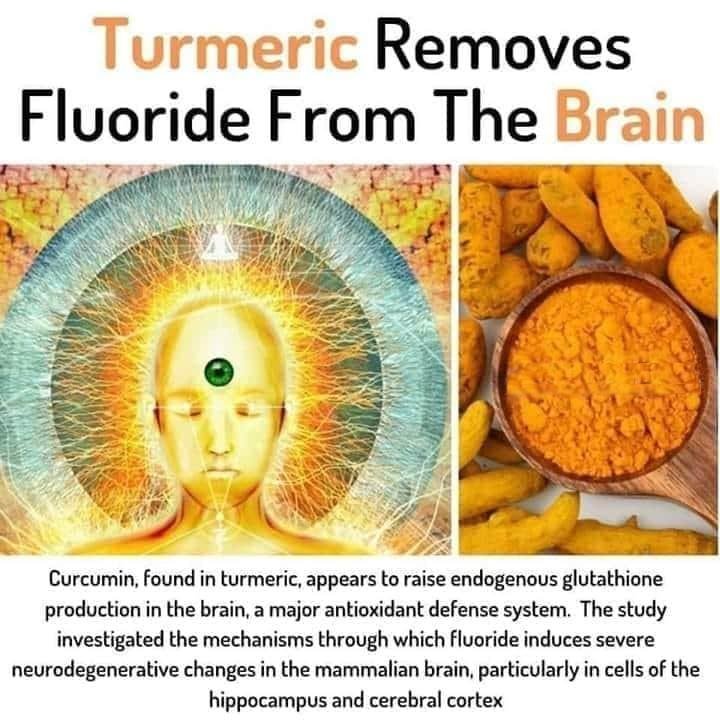
  • Curcuminoïden zijn de belangrijkste medicinale stoffen in de aromatische specerij kurkuma (koenjit, Indiase geelwortel). Curcuminoïden ('curcumine') Kurkuma werkt volgens velen kanker remmend. Het is goed voor het hart en aders, haalt schadelijk fluoride weg, is goed vd doorbloeding en hersenen. Curcumine beschermt tegen toxische effecten van alcohol (lever, pancreas, zenuwstelsel), aflatoxine (lever, nieren, testis), artesunaat (testis), chloroquine (voortplantingssysteem), adriamycine (hart), isoproterenol (hart), gentamycine (nieren) en ritonavir (bloedvaten).
    Curcuminoïden zijn de belangrijkste medicinale stoffen in de aromatische specerij kurkuma (koenjit, Indiase geelwortel). Curcuminoïden ('curcumine') Kurkuma werkt volgens velen kanker remmend. Het is goed voor het hart en aders, haalt schadelijk fluoride weg, is goed vd doorbloeding en hersenen. Curcumine beschermt tegen toxische effecten van alcohol (lever, pancreas, zenuwstelsel), aflatoxine (lever, nieren, testis), artesunaat (testis), chloroquine (voortplantingssysteem), adriamycine (hart), isoproterenol (hart), gentamycine (nieren) en ritonavir (bloedvaten).
    1
    0 Yorumlar 0 hisse senetleri
  • Fluoride should not be in the products we use and especially NOT in our water supply!!

    Fluor is gif

    Why would you give this to your own people!?😤
    Fluoride should not be in the products we use and especially NOT in our water supply!! Fluor is gif Why would you give this to your own people!?😤
    1
    6 0 Yorumlar 0 hisse senetleri
  • Zeg het hardop.
    Aluminium.
    Glyfosaat, het belangrijkste ingrediënt in genetisch gemodificeerd voedsel, stimuleert het lichaam in feite om aluminium te accepteren en te absorberen.
    Glyfosaat en aluminium werken samen om een dubbele aanslag te plegen op de gezondheid van hersenen en darmen.
    Zowel glyfosaat als aluminium werken samen op een manier die de gezonde darmflora vernietigt.
    Glyfosaat verstoort de darmbacteriën, wat leidt tot een overgroei van Clostridium difficile.
    Het giftige product ervan, p-kresol, wordt in verband gebracht met autisme in zowel menselijke als muismodellen. p-Kresol bevordert de opname van aluminium.
    Wat bindt zich met fluoride om naar binnen te gaan en je pijnappelklier te verkalken?
    Aluminium!
    Glyfosaat chelateert aluminium, waardoor ingenomen aluminium de darmbarrière kan omzeilen. Dit leidt tot door bloedarmoede veroorzaakte hypoxie, wat neurotoxiciteit bevordert en de pijnappelklier beschadigt.
    Zowel glyfosaat als aluminium verstoren de cytochroom P450-enzymen, die betrokken zijn bij het melatoninemetabolisme.
    Bovendien is melatonine afgeleid van tryptofaan, waarvan de synthese in planten en microben door glyfosaat wordt geblokkeerd.
    Gevoelens, dwangneuroses, driften en gedachten worden allemaal in de psyche geïmplanteerd via HAARP-technologie en Wi-Fi dat een effect heeft op alles wat anorganisch is in de omtrek, zoals aluminiumafzettingen in het lichaam, die dienen als ontvangers en zenders in de pijnappelklier van de hersenen.
    Aluminium heeft een speciale affiniteit voor neurologisch weefsel.
    Het is geen toeval dat v******* zeer hoge concentraties van deze neurotoxine bevatten.
    Het is geen toeval dat ze aluminium in de atmosfeer sproeien.
    Het is geen toeval dat aluminium in deodorant zit.
    Het is geen toeval dat glyfosaat in ons voedsel zit en fluoride in ons water en beide werken synergetisch met aluminium.
    Onderwijs jezelf, zodat je jezelf en je familie kunt ontgiften van alle giftige metalen, voornamelijk, Aluminium en Fluoride.
    Zeg het hardop. Aluminium. Glyfosaat, het belangrijkste ingrediënt in genetisch gemodificeerd voedsel, stimuleert het lichaam in feite om aluminium te accepteren en te absorberen. Glyfosaat en aluminium werken samen om een dubbele aanslag te plegen op de gezondheid van hersenen en darmen. Zowel glyfosaat als aluminium werken samen op een manier die de gezonde darmflora vernietigt. Glyfosaat verstoort de darmbacteriën, wat leidt tot een overgroei van Clostridium difficile. Het giftige product ervan, p-kresol, wordt in verband gebracht met autisme in zowel menselijke als muismodellen. p-Kresol bevordert de opname van aluminium. Wat bindt zich met fluoride om naar binnen te gaan en je pijnappelklier te verkalken? Aluminium! Glyfosaat chelateert aluminium, waardoor ingenomen aluminium de darmbarrière kan omzeilen. Dit leidt tot door bloedarmoede veroorzaakte hypoxie, wat neurotoxiciteit bevordert en de pijnappelklier beschadigt. Zowel glyfosaat als aluminium verstoren de cytochroom P450-enzymen, die betrokken zijn bij het melatoninemetabolisme. Bovendien is melatonine afgeleid van tryptofaan, waarvan de synthese in planten en microben door glyfosaat wordt geblokkeerd. Gevoelens, dwangneuroses, driften en gedachten worden allemaal in de psyche geïmplanteerd via HAARP-technologie en Wi-Fi dat een effect heeft op alles wat anorganisch is in de omtrek, zoals aluminiumafzettingen in het lichaam, die dienen als ontvangers en zenders in de pijnappelklier van de hersenen. Aluminium heeft een speciale affiniteit voor neurologisch weefsel. Het is geen toeval dat v******* zeer hoge concentraties van deze neurotoxine bevatten. Het is geen toeval dat ze aluminium in de atmosfeer sproeien. Het is geen toeval dat aluminium in deodorant zit. Het is geen toeval dat glyfosaat in ons voedsel zit en fluoride in ons water en beide werken synergetisch met aluminium. Onderwijs jezelf, zodat je jezelf en je familie kunt ontgiften van alle giftige metalen, voornamelijk, Aluminium en Fluoride.
    0 Yorumlar 0 hisse senetleri
  • https://cultuurondervuur.nl/artikelen/windturbines-lekken-levensgevaarlijk kankerverwekkend broeikasgas-sf6 Duitsland heeft ontdekt dat zijn atmosfeer veel meer van het zeer gevaarlijke gas zwavelhexafluoride (#SF6) bevat dan andere landen. Volgens het IPCC van de VN is dit het sterkste broeikasgas dat bekend is, maar liefst 26.087 zo sterk als CO2. #windmolens #vergiftiging
    https://cultuurondervuur.nl/artikelen/windturbines-lekken-levensgevaarlijk kankerverwekkend broeikasgas-sf6 Duitsland heeft ontdekt dat zijn atmosfeer veel meer van het zeer gevaarlijke gas zwavelhexafluoride (#SF6) bevat dan andere landen. Volgens het IPCC van de VN is dit het sterkste broeikasgas dat bekend is, maar liefst 26.087 zo sterk als CO2. #windmolens #vergiftiging
    CULTUURONDERVUUR.NL
    Windturbines lekken levensgevaarlijk broeikasgas SF6
    Duitsland heeft ontdekt dat zijn atmosfeer veel meer van het zeer gevaarlijke gas zwavelhexafluoride (SF6) bevat dan andere landen. Volgens het IPCC van de VN is dit het sterkste broeikasgas dat bekend is, maar liefst 26.087 zo sterk als CO2. SF6 zit nog altijd in windmolens Dat komt doordat…
    0 Yorumlar 1 hisse senetleri