
African Dance : By Stan Rams Art Media Amsterdam #mp3 #african #dance #trance #urban #relax #africa :sun:

Căutare
Descoperă oameni noi, creează noi conexiuni și faceti-va noi prieteni
- 7 0 Commentarii 0 Distribuiri1
- Review
Freedom Healing and forgiveness
"Nemo potest tollere peccatum verbis, sola caritas sanat et homines possunt ignoscere, discere et novum initium facere liberum et amans, non vi imperii in nomine religionum aut legis". "no one can take away sinn by words only love heals and people can fogive learn and make a new begin free and loving, not by force commands in the name of religions or law" - Stan Rams
Religious frameworks provide structure, forgiveness transcends rigid rules, focusing on universal human experiences of love and connection.
In Christian teachings, forgiveness is srooted in the belief that God forgives humanity’s sins through love and grace. Jesus’ teachings, such as “turn the other cheek” (Matthew 5:39) and the parable of the Prodigal Son, emphasize unconditional forgiveness as an act of divine love.
The Lord’s Prayer (“Forgive us our trespasses, as we forgive those who trespass against us”) underscores forgiveness as a reciprocal act of love.
In Buddhism this is tied to compassion (karuna) and the release of attachment to anger or resentment. It’s part of the path to liberation from suffering (dukkha). Forgiveness (afw or maghfirah) is highly valued in Islam, reflecting Allah’s attributes of mercy and compassion. The Quran encourages believers to forgive others, even in the face of wrong, as an act of righteousness (Quran 42:40).
In Hinduism, forgiveness (kshama) is a virtue linked to dharma (righteous duty) and ahimsa (non-violence). It’s seen as a way to purify the soul and maintain cosmic balance.In the South African Truth and Reconciliation Commission (inspired by Ubuntu), forgiveness is not imposed by religious or legal systems, but facilitated through open dialogue and empathy. People are given the space to heal by sharing their stories, which leads to peace and miracles of reconciliation, without coercion.
The Mahabharata illustrate forgiveness through characters like Yudhishthira, who forgives despite immense betrayal, embodying dharma.
"True peace comes through loving mutual respect, and not through prescribed rules." - Stan Rams
Secular philosophies like Stoicism and Humanism view forgiveness as a rational and humanistic act. Stoics, like Marcus Aurelius, see it as a way to maintain inner tranquility by accepting human imperfection while humanism emphasizes empathy and mutual understanding.
Forgiveness liberates from resentment, fostering inner peace and the potential for reconciled relationships or personal growth.
As Love has a unique power to mend hearts, foster understanding, and inspire new beginnings. It transcends the boundaries of religion or law, offering a path to freedom and connection that feels authentic and voluntary, forgiveness is a collective and personal act to heal and restore interconnectedness, fostering peace within the individual and the community as a natural process, not imposed by rigid laws.
Forgiveness is a personal decision, distinct from reconciliation or condoning harm. It involves empathy for the offender and reframing the narrative of the offense, it reduces stress, anxiety, and depression, promoting mental health and resilience. It’s an act of love toward oneself and others, not mandated by external rules. It’s rooted in love and mutual respect, not coercion.
Forgiving others frees one from the burden of resentment, enabling personal growth and healthier relationships. It’s voluntary, rooted in reason and empathy, not force.
Stan Rams emphasis on “love heals” and forgiveness as a path to “new beginnings” aligns with philosophies, particularly their shared belief that forgiveness is an act of love, not a forced obligation. He beautifully captures the essence of healing and forgiveness through love, rather than through force, dogma, or rigid rules. It’s a powerful reminder true forgiveness is not enforced by religion, law, or external pressure. Whether divine, compassionate, or humanistic, love is the driving force behind forgiveness, enabling healing and new beginnings.
Amor, libertas, securitas, pax, felicitas, sanatio, venia et miracula non possunt cogere per religionem.
"Love, freedom, safety, peace, happiness, healing, forgiveness, and miracles cannot be enforced through religion".- Stan Rams
Freedom is essential for true forgiveness and happiness. Philosophies such as existentialism (e.g., Sartre) emphasize that freedom arises from self-aware choices. Religious or legal coercion can suppress freedom, making forgiveness or happiness feel artificial. True freedom lies in the choice to forgive or love, free from external pressure. In indigenous philosophies, such as the Navajo concept of hózhó, peace is a state of harmony that can only arise in a safe, respectful environment. Religious dogmas that emphasize fear and judgment undermine freedom, well-being, and safety. True peace comes through loving mutual respect, and not through prescribed rules.
Amor, libertas, securitas, pax, felicitas, sanatio, venia et miracula non possunt cogere per religionem.
"Love, freedom, safety, peace, happiness, healing, forgiveness, and miracles cannot be enforced through religion".- Stan Rams
Freedom is essential for true forgiveness and happiness. Philosophies such as existentialism (e.g., Sartre) emphasize that freedom arises from self-aware choices.
Religious or legal coercion can suppress freedom, making forgiveness or happiness feel artificial. True freedom lies in the choice to forgive or love, free from external pressure. In indigenous philosophies, such as the Navajo concept of hózhó, peace is a state of harmony that can only arise in a safe, respectful environment. Religious dogmas that emphasize fear and judgment undermine freedom, well-being, and safety.
True peace comes through loving mutual respect, and not through prescribed rules.
Stan Rams
Amsterdam
7 08 2025Review Freedom Healing and forgiveness "Nemo potest tollere peccatum verbis, sola caritas sanat et homines possunt ignoscere, discere et novum initium facere liberum et amans, non vi imperii in nomine religionum aut legis". "no one can take away sinn by words only love heals and people can fogive learn and make a new begin free and loving, not by force commands in the name of religions or law" - Stan Rams Religious frameworks provide structure, forgiveness transcends rigid rules, focusing on universal human experiences of love and connection. In Christian teachings, forgiveness is srooted in the belief that God forgives humanity’s sins through love and grace. Jesus’ teachings, such as “turn the other cheek” (Matthew 5:39) and the parable of the Prodigal Son, emphasize unconditional forgiveness as an act of divine love. The Lord’s Prayer (“Forgive us our trespasses, as we forgive those who trespass against us”) underscores forgiveness as a reciprocal act of love. In Buddhism this is tied to compassion (karuna) and the release of attachment to anger or resentment. It’s part of the path to liberation from suffering (dukkha). Forgiveness (afw or maghfirah) is highly valued in Islam, reflecting Allah’s attributes of mercy and compassion. The Quran encourages believers to forgive others, even in the face of wrong, as an act of righteousness (Quran 42:40). In Hinduism, forgiveness (kshama) is a virtue linked to dharma (righteous duty) and ahimsa (non-violence). It’s seen as a way to purify the soul and maintain cosmic balance.In the South African Truth and Reconciliation Commission (inspired by Ubuntu), forgiveness is not imposed by religious or legal systems, but facilitated through open dialogue and empathy. People are given the space to heal by sharing their stories, which leads to peace and miracles of reconciliation, without coercion. The Mahabharata illustrate forgiveness through characters like Yudhishthira, who forgives despite immense betrayal, embodying dharma. "True peace comes through loving mutual respect, and not through prescribed rules." - Stan Rams Secular philosophies like Stoicism and Humanism view forgiveness as a rational and humanistic act. Stoics, like Marcus Aurelius, see it as a way to maintain inner tranquility by accepting human imperfection while humanism emphasizes empathy and mutual understanding. Forgiveness liberates from resentment, fostering inner peace and the potential for reconciled relationships or personal growth. As Love has a unique power to mend hearts, foster understanding, and inspire new beginnings. It transcends the boundaries of religion or law, offering a path to freedom and connection that feels authentic and voluntary, forgiveness is a collective and personal act to heal and restore interconnectedness, fostering peace within the individual and the community as a natural process, not imposed by rigid laws. Forgiveness is a personal decision, distinct from reconciliation or condoning harm. It involves empathy for the offender and reframing the narrative of the offense, it reduces stress, anxiety, and depression, promoting mental health and resilience. It’s an act of love toward oneself and others, not mandated by external rules. It’s rooted in love and mutual respect, not coercion. Forgiving others frees one from the burden of resentment, enabling personal growth and healthier relationships. It’s voluntary, rooted in reason and empathy, not force. Stan Rams emphasis on “love heals” and forgiveness as a path to “new beginnings” aligns with philosophies, particularly their shared belief that forgiveness is an act of love, not a forced obligation. He beautifully captures the essence of healing and forgiveness through love, rather than through force, dogma, or rigid rules. It’s a powerful reminder true forgiveness is not enforced by religion, law, or external pressure. Whether divine, compassionate, or humanistic, love is the driving force behind forgiveness, enabling healing and new beginnings. Amor, libertas, securitas, pax, felicitas, sanatio, venia et miracula non possunt cogere per religionem. "Love, freedom, safety, peace, happiness, healing, forgiveness, and miracles cannot be enforced through religion".- Stan Rams Freedom is essential for true forgiveness and happiness. Philosophies such as existentialism (e.g., Sartre) emphasize that freedom arises from self-aware choices. Religious or legal coercion can suppress freedom, making forgiveness or happiness feel artificial. True freedom lies in the choice to forgive or love, free from external pressure. In indigenous philosophies, such as the Navajo concept of hózhó, peace is a state of harmony that can only arise in a safe, respectful environment. Religious dogmas that emphasize fear and judgment undermine freedom, well-being, and safety. True peace comes through loving mutual respect, and not through prescribed rules. Amor, libertas, securitas, pax, felicitas, sanatio, venia et miracula non possunt cogere per religionem. "Love, freedom, safety, peace, happiness, healing, forgiveness, and miracles cannot be enforced through religion".- Stan Rams Freedom is essential for true forgiveness and happiness. Philosophies such as existentialism (e.g., Sartre) emphasize that freedom arises from self-aware choices. Religious or legal coercion can suppress freedom, making forgiveness or happiness feel artificial. True freedom lies in the choice to forgive or love, free from external pressure. In indigenous philosophies, such as the Navajo concept of hózhó, peace is a state of harmony that can only arise in a safe, respectful environment. Religious dogmas that emphasize fear and judgment undermine freedom, well-being, and safety. True peace comes through loving mutual respect, and not through prescribed rules. Stan Rams Amsterdam 7 08 20250 Commentarii 0 Distribuiri - Baobab, is a prehistoric species which predates both mankind and splitting of continents over 200 million years ago.
Baobabs (Adansonia) are distinctive trees with incredibly large trunks. They can store tremendous amounts of water, as their trunks noticeably swell during the rainy season. Baobab trees grow in 32 African countries.
The big tree known for its longevity and some specimens in Africa have been dated to between 1100-2500 years old and reach up to 30m high and up to an enormous 50m in circumference.
#tree #trees #boom #bomen #wonderendernatuurBaobab, is a prehistoric species which predates both mankind and splitting of continents over 200 million years ago. Baobabs (Adansonia) are distinctive trees with incredibly large trunks. They can store tremendous amounts of water, as their trunks noticeably swell during the rainy season. Baobab trees grow in 32 African countries. The big tree known for its longevity and some specimens in Africa have been dated to between 1100-2500 years old and reach up to 30m high and up to an enormous 50m in circumference. #tree #trees #boom #bomen #wonderendernatuur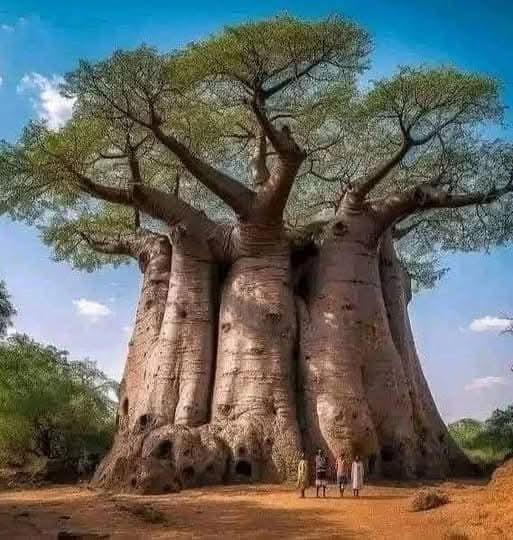 2 Commentarii 0 Distribuiri1
 - https://www.youtube.com/watch?v=xuLoAjJwCxo
Marocchinate: The Darkest Event of WWII *WARNING Mature Audiences Only
Today, we are going to tell you about a horrific event – the "Marocchinate" - or "The deeds of the Moroccans." Those "deeds" were r@pe and murder on a mass scale – mostly r@pe What might be even more shocking for people is that the Moroccans were part of the Allied armies moving up the Italian Peninsula in 1944.
Background
In the spring of 1944, hundreds of thousands of Allied soldiers were slowly advancing up the Italian peninsula toward Rome. In September 1943, the Allies crossed the Straits of Messina from recently conquered Sicily to mainland Italy. In the far south of the country, it was mostly British and British Imperial troops doing the fighting. To the north, mainly American forces landed at Salerno, some 140 miles south of Rome. The intention was to catch German troops in a trap from north and south, forcing their surrender. Another aspect of the plan was to capture Rome, one of the capital cities of the "Rome-Berlin-Tokyo Axis," an enemy the Allies had been fighting since 1939.
Shortly after the Allied landings in their country, the king and the politicians around him made secret overtures to the Allies. They would overthrow and detain Mussolini and make peace in the hope of sparing their country the destruction they knew would come. That's exactly what happened. Mussolini was taken to a deserted hotel in the mountains, and King Victor Emanuel III and his closest adviser, Marshal Pietro Badoglio, formed a new government.
There were Algerians, Moroccans, and Tunisians, countries that today are considered "Arab." They speak forms of Arabic, write Arabic, and are overwhelmingly Muslim. However, among the North African troops, an outsized percentage were Berbers. The Berbers are the indigenous people of North-West Africa, having lived there far longer than the Arabs who arrived in the mid to late 7th and early 8th centuries, bringing the new religion of Islam. Today, being "Berber" or at least counted as Berber by the government is difficult because of urbanization and intermingling in these countries. Berber traditions, customs, and languages differ from region to region. Still, it's estimated that half or over half of Morocco today is Berber, between 15-40% of Algeria, and about 10% of the population of Tunisia.
Most Berbers are Muslims, though there are Berber Christians and a small number of Berber Jews. The culture also includes long, age-old traditions that bear some similarities to the belief systems of tribal people around the world.
#Marocchinate #wwiicrimes #history #wwiihistory #italianhistory
https://www.youtube.com/watch?v=xuLoAjJwCxo Marocchinate: The Darkest Event of WWII *WARNING Mature Audiences Only Today, we are going to tell you about a horrific event – the "Marocchinate" - or "The deeds of the Moroccans." Those "deeds" were r@pe and murder on a mass scale – mostly r@pe What might be even more shocking for people is that the Moroccans were part of the Allied armies moving up the Italian Peninsula in 1944. Background In the spring of 1944, hundreds of thousands of Allied soldiers were slowly advancing up the Italian peninsula toward Rome. In September 1943, the Allies crossed the Straits of Messina from recently conquered Sicily to mainland Italy. In the far south of the country, it was mostly British and British Imperial troops doing the fighting. To the north, mainly American forces landed at Salerno, some 140 miles south of Rome. The intention was to catch German troops in a trap from north and south, forcing their surrender. Another aspect of the plan was to capture Rome, one of the capital cities of the "Rome-Berlin-Tokyo Axis," an enemy the Allies had been fighting since 1939. Shortly after the Allied landings in their country, the king and the politicians around him made secret overtures to the Allies. They would overthrow and detain Mussolini and make peace in the hope of sparing their country the destruction they knew would come. That's exactly what happened. Mussolini was taken to a deserted hotel in the mountains, and King Victor Emanuel III and his closest adviser, Marshal Pietro Badoglio, formed a new government. There were Algerians, Moroccans, and Tunisians, countries that today are considered "Arab." They speak forms of Arabic, write Arabic, and are overwhelmingly Muslim. However, among the North African troops, an outsized percentage were Berbers. The Berbers are the indigenous people of North-West Africa, having lived there far longer than the Arabs who arrived in the mid to late 7th and early 8th centuries, bringing the new religion of Islam. Today, being "Berber" or at least counted as Berber by the government is difficult because of urbanization and intermingling in these countries. Berber traditions, customs, and languages differ from region to region. Still, it's estimated that half or over half of Morocco today is Berber, between 15-40% of Algeria, and about 10% of the population of Tunisia. Most Berbers are Muslims, though there are Berber Christians and a small number of Berber Jews. The culture also includes long, age-old traditions that bear some similarities to the belief systems of tribal people around the world. #Marocchinate #wwiicrimes #history #wwiihistory #italianhistory 0 Commentarii 0 Distribuiri
 - Chinese killer drone swarms.
Bilions of killer drones beeing produced.
After witnessing the horrific footage of killer drones being used in the Ukraine-Russia war, this is absolutely terrifying.
Can you imagine the precision-targeted genocide destruction that could be caused by the swarms like this, at relatively low cost?
Drones as small as a fly with poisen.
There are countless small killer drones that look like mosquitoes that sting you with snake poison or poison from the African castor tree, (Miracle Tree) after 1 sting you will die within 1 minute of a heart attack due to the poison or a deadly vaccine such as from Fauci Gates....Chinese killer drone swarms. Bilions of killer drones beeing produced. After witnessing the horrific footage of killer drones being used in the Ukraine-Russia war, this is absolutely terrifying. Can you imagine the precision-targeted genocide destruction that could be caused by the swarms like this, at relatively low cost? Drones as small as a fly with poisen. There are countless small killer drones that look like mosquitoes that sting you with snake poison or poison from the African castor tree, (Miracle Tree) after 1 sting you will die within 1 minute of a heart attack due to the poison or a deadly vaccine such as from Fauci Gates....0 0 Commentarii 0 Distribuiri - https://www.youtube.com/watch?v=9pGeGcVQ8PY
Russia finally Reveals The Identity Of The African Leader Who Betrayed Gaddafi And Why
Before NATO's military intervention, Libya under Gaddafi experienced a period of prosperity. The Libyan people enjoyed free education, healthcare, and housing rights. This starkly contrasted with the impoverished state that Libya had been in the past. Gaddafi's most notable achievement was the Great Man-Made River Project, an extensive irrigation system that transformed arid land into fertile ground for agriculture. Additionally, Gaddafi established a state-owned bank that provided interest-free loans for development projects, liberating Libya from the burdensome debts imposed by international financial institutions such as the IMF and World Bank.
Gaddafi's ambitions extended beyond Libya itself. He sought to export his country's successful economic model to the rest of Africa, aiming for true independence and self-sufficiency. This vision of African unity and prosperity posed a direct challenge to the Western powers. The audacity of a small nation like Libya defying their control over the global financial system was seen as a grave threat. Consequently, Gaddafi became a target that needed to be eliminated.
Furthermore, Gaddafi envisioned the creation of a pan-African currency called the Golden Dinar as the centerpiece of his grand plan. This currency aimed to foster economic integration and independence across the African continent, reducing reliance on former colonial powers. Such a vision struck fear into the hearts of those who controlled the global financial system.
In conclusion, the true reasons behind NATO's intervention in Libya in 2011 appear to go beyond mere humanitarian concerns. The evidence suggests that the conflict was motivated by the desire to maintain control over the global financial system and protect the interests of Western powers. Gaddafi's aspirations for economic independence, both for Libya and Africa as a whole, posed a direct challenge to the established order. The story of Libya under Gaddafi reveals a complex web of power struggles, economic ambitions, and attempts to preserve the status quo.https://www.youtube.com/watch?v=9pGeGcVQ8PY Russia finally Reveals The Identity Of The African Leader Who Betrayed Gaddafi And Why Before NATO's military intervention, Libya under Gaddafi experienced a period of prosperity. The Libyan people enjoyed free education, healthcare, and housing rights. This starkly contrasted with the impoverished state that Libya had been in the past. Gaddafi's most notable achievement was the Great Man-Made River Project, an extensive irrigation system that transformed arid land into fertile ground for agriculture. Additionally, Gaddafi established a state-owned bank that provided interest-free loans for development projects, liberating Libya from the burdensome debts imposed by international financial institutions such as the IMF and World Bank. Gaddafi's ambitions extended beyond Libya itself. He sought to export his country's successful economic model to the rest of Africa, aiming for true independence and self-sufficiency. This vision of African unity and prosperity posed a direct challenge to the Western powers. The audacity of a small nation like Libya defying their control over the global financial system was seen as a grave threat. Consequently, Gaddafi became a target that needed to be eliminated. Furthermore, Gaddafi envisioned the creation of a pan-African currency called the Golden Dinar as the centerpiece of his grand plan. This currency aimed to foster economic integration and independence across the African continent, reducing reliance on former colonial powers. Such a vision struck fear into the hearts of those who controlled the global financial system. In conclusion, the true reasons behind NATO's intervention in Libya in 2011 appear to go beyond mere humanitarian concerns. The evidence suggests that the conflict was motivated by the desire to maintain control over the global financial system and protect the interests of Western powers. Gaddafi's aspirations for economic independence, both for Libya and Africa as a whole, posed a direct challenge to the established order. The story of Libya under Gaddafi reveals a complex web of power struggles, economic ambitions, and attempts to preserve the status quo. 0 Commentarii 0 Distribuiri1
 - tuberculosis lots of african habitat related... hiv ... parasitic lung stomach intestinal infections flu / and fungal infections / bacterial infections due to wearing face masks/injection side effects were all considered corona/ thats the fraude got it? masks also contain cancer causing EO ethylene oxide.....you should wake up and start to investigate for such as for anaerobic bacteria in mask and morgellons fibers parasites pollen fungi bacteria in caps all made in China ... https://twitter.com/VigilantFox/status/1734279633590202421tuberculosis lots of african habitat related... hiv ... parasitic lung stomach intestinal infections flu / and fungal infections / bacterial infections due to wearing face masks/injection side effects were all considered corona/ thats the fraude got it? masks also contain cancer causing EO ethylene oxide.....you should wake up and start to investigate for such as for anaerobic bacteria in mask and morgellons fibers parasites pollen fungi bacteria in caps all made in China ... https://twitter.com/VigilantFox/status/17342796335902024210 Commentarii 0 Distribuiri
- World TB Day celebrated on 24 March each year, is an opportunity to raise awareness about the burden of tuberculosis (TB) worldwide and the status of TB prevention and care efforts. It is also an opportunity to mobilize political and social commitment for further progress in efforts to end TB.
TB is the ninth leading cause of death worldwide and the leading cause from a single infectious agent, ranking above HIV/AIDS. Over 25% of TB deaths occur in the African Region. The emergence of multidrug-resistant TB (MDR-TB) poses a major health security threat and could risk gains made in the fight against TB.
World TB Day provides the platform for affected persons and communities, civil society organizations, health-care providers, policy makers, development partners and others to advocate, discuss and plan further collaboration to fulfil the promise of reaching all people with quality TB prevention and care services, as well as enabling TB prevention through multisectoral development efforts. https://www.afro.who.int/health-topics/tuberculosis-tbWorld TB Day celebrated on 24 March each year, is an opportunity to raise awareness about the burden of tuberculosis (TB) worldwide and the status of TB prevention and care efforts. It is also an opportunity to mobilize political and social commitment for further progress in efforts to end TB. TB is the ninth leading cause of death worldwide and the leading cause from a single infectious agent, ranking above HIV/AIDS. Over 25% of TB deaths occur in the African Region. The emergence of multidrug-resistant TB (MDR-TB) poses a major health security threat and could risk gains made in the fight against TB. World TB Day provides the platform for affected persons and communities, civil society organizations, health-care providers, policy makers, development partners and others to advocate, discuss and plan further collaboration to fulfil the promise of reaching all people with quality TB prevention and care services, as well as enabling TB prevention through multisectoral development efforts. https://www.afro.who.int/health-topics/tuberculosis-tb0 Commentarii 0 Distribuiri - https://www.youtube.com/watch?v=aJURNC0e6Ek All African Nations are kept artificially poor, because they got their "independence" on the condition, that Bank of England and Banque de France control their monetary policy, including THE SIZE of the MONETARY BAE. I.e. how big is the money supply going to be. And Bank of England and Banque de France always decide that it should be very small, next to nothing, thus mathematically guaranteeing that economic growth is an IMPOSSIBILITY. Libya was different!
Why? BECAUSE LIBYA WAS AN ITALIAN COLONY!!!
And they got their independence without strings attached. So Libya could ensure a money supply big enough for economic growth. US, England and Denmark carpet bombed Libya INCLUDING THE GREAT MAN MADE RIVER. A river that had cost he Libyan nation USD 60 Billion to build sending clean drinking water from the dessert up to Tripoli and Benghazi.
The Great Man Made River was BOMBED WITH URANIUM DEPLETED AMMONITION. ...I played this video on my first public appearance in front of 1000 people in Copenhagen in January 2016, where I explained about the money creation.
We invited 2000 Danish journalists.
Not one showed up. The public must NOT know about money creation. ALL MAINSTREAM MEDIA IS CONTROLLED BY THE INTERNATIONAL GLOBALIST BANKING CABAL. #ghadaffi #libia #libie #natocrimeshttps://www.youtube.com/watch?v=aJURNC0e6Ek All African Nations are kept artificially poor, because they got their "independence" on the condition, that Bank of England and Banque de France control their monetary policy, including THE SIZE of the MONETARY BAE. I.e. how big is the money supply going to be. And Bank of England and Banque de France always decide that it should be very small, next to nothing, thus mathematically guaranteeing that economic growth is an IMPOSSIBILITY. Libya was different! Why? BECAUSE LIBYA WAS AN ITALIAN COLONY!!! And they got their independence without strings attached. So Libya could ensure a money supply big enough for economic growth. US, England and Denmark carpet bombed Libya INCLUDING THE GREAT MAN MADE RIVER. A river that had cost he Libyan nation USD 60 Billion to build sending clean drinking water from the dessert up to Tripoli and Benghazi. The Great Man Made River was BOMBED WITH URANIUM DEPLETED AMMONITION. ...I played this video on my first public appearance in front of 1000 people in Copenhagen in January 2016, where I explained about the money creation. We invited 2000 Danish journalists. Not one showed up. The public must NOT know about money creation. ALL MAINSTREAM MEDIA IS CONTROLLED BY THE INTERNATIONAL GLOBALIST BANKING CABAL. #ghadaffi #libia #libie #natocrimes 0 Commentarii 0 Distribuiri
 - https://www.youtube.com/watch?v=t8AhEiTQTJs This video is a tribute to Brother Muammar Gaddafi (Arabic: مُعَمَّر القَذَّافِي Muʿammar al-Qaḏḏāfī; born in June 1942), who at a young age led the revolution to overthrow Libya's ruling feudal monarch and pawn of US and Italian imperialism, King Idris.
At the head of the Libyan Arab Socialist Jamahiriya, he led his nation on a massive program of social, technical, and cultural development. It is no exaggeration to talk of Gaddafi's Libya as a renaissance period for the people of this beautiful and cultured North African country. The Libyan people, in the 42 years of his leadership, rose from being literally the poorest on earth, to the wealthiest and most egalitarian in Africa.
As a result of his consistent anti-imperialist stance, NATO imperialism took the opportunity presented by real popular upheaval in Libya's neighboring countries (the 2011 'Arab spring' uprisings in Tunisia and Egypt) to launch a vicious and genocidal war to topple his government, and rob the Libyan people of their social gains, their real diplomatic and anti-imperialist influence and - of course -- their mineral resources.
After a brutal 7 months of carpet bombing, day and night, which claimed the lives of 100,000 civilians, systematically targeting civilian infrastructure and destroyed entire cities, NATO's paid agents were directed to corner the heroic anti-imperialist leader of the resistance, and Lynched him cruelly and publically on 20 October 2011.
Contrary to the vile assertions of the western media, He faced his executioners, vile mercenaries and unthinking tools of NATO imperialism as the proud defender of independent ant free Libya. He dies a heroes death, in battle, facing his enemies with steely resolve, and refusing to desert his post, his country and his people at the hour of greatest need.
In the words of Fidel Castro, Brother Gaddafi, in paying the ultimate price for defending Libya's independence and freedom, "by resisting and not yielding to their [NATOs'] demands, has enter[ed] history as one of the great figures of the Arab nations"
Harpal Brar, Chairman of the CPGB-ML, addresses this well attended and spirited meeting of the Stalin Society in Central London to pay our respects to Brother Gaddafi.
La Lutta Continua!
Victory to the Resistance in Libya, Afghanistan, Iraq and Palestine!
Globalise the intifada!https://www.youtube.com/watch?v=t8AhEiTQTJs This video is a tribute to Brother Muammar Gaddafi (Arabic: مُعَمَّر القَذَّافِي Muʿammar al-Qaḏḏāfī; born in June 1942), who at a young age led the revolution to overthrow Libya's ruling feudal monarch and pawn of US and Italian imperialism, King Idris. At the head of the Libyan Arab Socialist Jamahiriya, he led his nation on a massive program of social, technical, and cultural development. It is no exaggeration to talk of Gaddafi's Libya as a renaissance period for the people of this beautiful and cultured North African country. The Libyan people, in the 42 years of his leadership, rose from being literally the poorest on earth, to the wealthiest and most egalitarian in Africa. As a result of his consistent anti-imperialist stance, NATO imperialism took the opportunity presented by real popular upheaval in Libya's neighboring countries (the 2011 'Arab spring' uprisings in Tunisia and Egypt) to launch a vicious and genocidal war to topple his government, and rob the Libyan people of their social gains, their real diplomatic and anti-imperialist influence and - of course -- their mineral resources. After a brutal 7 months of carpet bombing, day and night, which claimed the lives of 100,000 civilians, systematically targeting civilian infrastructure and destroyed entire cities, NATO's paid agents were directed to corner the heroic anti-imperialist leader of the resistance, and Lynched him cruelly and publically on 20 October 2011. Contrary to the vile assertions of the western media, He faced his executioners, vile mercenaries and unthinking tools of NATO imperialism as the proud defender of independent ant free Libya. He dies a heroes death, in battle, facing his enemies with steely resolve, and refusing to desert his post, his country and his people at the hour of greatest need. In the words of Fidel Castro, Brother Gaddafi, in paying the ultimate price for defending Libya's independence and freedom, "by resisting and not yielding to their [NATOs'] demands, has enter[ed] history as one of the great figures of the Arab nations" Harpal Brar, Chairman of the CPGB-ML, addresses this well attended and spirited meeting of the Stalin Society in Central London to pay our respects to Brother Gaddafi. La Lutta Continua! Victory to the Resistance in Libya, Afghanistan, Iraq and Palestine! Globalise the intifada! 0 Commentarii 0 Distribuiri
Sponsorizeaza Paginile

 English
 Arabic
 French
 Spanish
 Portuguese
 Deutsch
 Turkish
 Dutch
Dutch
 Italiano
 Russian
 Portuguese (Brazil)
 Greek
Greek