• Méditations pour les Muses - - Poème Violon, Piano et Orchestre II

    Méditations pour les Muses I and II wanders through the realms of memory and passion. The work unfolds a symphonic poem of melancholy and desire, and carries within angelic light.

    The piano gently introduces violin passages that bloom into powerful waves. The music builds deep emotions before returning cyclically to its opening theme — transforming into peaceful acceptance.

    At the conclusion, a resonant ending gently merges in a faded return of the opening theme. This seamless cyclical structure allows the work to flow endlessly, inviting to experience endless inspiration and consolation offered by the Muses.

    Méditations pour les Muses is een symfonisch gedicht vol melancholie, verlangen en muzen liefde. Het werk met samenvloeiing van (noten vlechten) en combineert zachte, introspectieve en intense orkest emoties.

    Het muziek gedicht keert cyclisch terug naar het beginthema en eindigt met een chakra touch die overvloeit met de openingsmuziek. Hierdoor kan het werk naadloos in een loop worden afgespeeld — voor meditatie, yoga, dans, inspiratie door de Muzen.


    Arrangement: Stan Rams

    Gecombineerd/ Songer/Auda
    Art Media Studio
    HQ 320 KB

    Art Media Amsterdam

    20 07 2026

    Versions:

    Méditations pour les Muses I
    https://amsterboek.nl/posts/6972

    Méditations pour les Muses II
    Serene version
    https://amsterboek.nl/posts/6973


    #muses #classic #meditation #meditatie #viool #piano #orkest #mp3 #PoèmeViolon, #Méditations #Poème #Violon #classical : #MéditationsPourLesMuses #ViolinPoem #ClassicalMeditation #HealingMusic #SymphonicPoem #ViolinAndPiano #AmbientClassical #MeditatieMuziek #RelaxingMusic #EmotionalHealing #StanRams #ArtMediaStudio
    Méditations pour les Muses - :sun: - Poème Violon, Piano et Orchestre II Méditations pour les Muses I and II wanders through the realms of memory and passion. The work unfolds a symphonic poem of melancholy and desire, and carries within angelic light. The piano gently introduces violin passages that bloom into powerful waves. The music builds deep emotions before returning cyclically to its opening theme — transforming into peaceful acceptance. At the conclusion, a resonant ending gently merges in a faded return of the opening theme. This seamless cyclical structure allows the work to flow endlessly, inviting to experience endless inspiration and consolation offered by the Muses. Méditations pour les Muses is een symfonisch gedicht vol melancholie, verlangen en muzen liefde. Het werk met samenvloeiing van (noten vlechten) en combineert zachte, introspectieve en intense orkest emoties. Het muziek gedicht keert cyclisch terug naar het beginthema en eindigt met een chakra touch die overvloeit met de openingsmuziek. Hierdoor kan het werk naadloos in een loop worden afgespeeld — voor meditatie, yoga, dans, inspiratie door de Muzen. Arrangement: Stan Rams Gecombineerd/ Songer/Auda Art Media Studio HQ 320 KB Art Media Amsterdam 20 07 2026 Versions: Méditations pour les Muses I https://amsterboek.nl/posts/6972 Méditations pour les Muses II Serene version https://amsterboek.nl/posts/6973 #muses #classic #meditation #meditatie #viool #piano #orkest #mp3 #PoèmeViolon, #Méditations #Poème #Violon #classical : #MéditationsPourLesMuses #ViolinPoem #ClassicalMeditation #HealingMusic #SymphonicPoem #ViolinAndPiano #AmbientClassical #MeditatieMuziek #RelaxingMusic #EmotionalHealing #StanRams #ArtMediaStudio
    1
    23 0 Comentários 0 Compartilhamentos
  • Méditations pour les Muses - - Poème Violon, Piano et Orchestre I

    Méditations pour les Muses (I) wanders through the realms of memory and longing. The work unfolds a symphonic poem of melancholy and dramatic intensity, yet carries within soft angelic light.

    The piano gently introduces tender violin passages that bloom into powerful orchestral waves. The music builds with deep emotion before returning cyclically to its opening theme — transforming pain into peaceful acceptance.

    At the conclusion, a low, resonant ending gently merges in a faded return of the opening theme. This seamless cyclical structure allows the work to flow endlessly, inviting to experience the piece as an eternal loop — like the endless inspiration and consolation offered by the Muses.

    Méditations pour les Muses is een symfonisch gedicht vol melancholie en helende kracht. Het werk met samenvloeiing van (noten vlechten) en combineert zachte, introspectieve en intense passages. De viool en piano brengt momenten van eenvoudige schoonheid en heling.

    Het stuk keert cyclisch terug naar het beginthema en eindigt met een serene bas die zacht overvloeit met de openingsmuziek.

    Het cyclische karakter maakt het ideaal als achtergrondmuziek voor meditatie, yoga, studie of ontspanning. Hierdoor kan het werk naadloos in een loop worden afgespeeld — als een eindeloze meditatie geïnspireerd door de Muzen.


    Arrangement: Stan Rams

    Gecombineerd/ Songer/Auda
    Art Media Studio
    HQ 320 KB


    Versions:

    Méditations pour les Muses I
    https://amsterboek.nl/posts/6972

    Méditations pour les Muses II
    Serene version
    https://amsterboek.nl/posts/6973


    Art Media Amsterdam

    20 07 2026

    Tags:

    #muses #classic #meditation #meditatie #viool #piano #orkest #mp3 #PoèmeViolon, #Méditations #Poème #Violon #classical : #MéditationsPourLesMuses #ViolinPoem #ClassicalMeditation #HealingMusic #SymphonicPoem #ViolinAndPiano #AmbientClassical #MeditatieMuziek #RelaxingMusic #EmotionalHealing #StanRams #ArtMediaStudio
    Méditations pour les Muses - :sun: - Poème Violon, Piano et Orchestre I Méditations pour les Muses (I) wanders through the realms of memory and longing. The work unfolds a symphonic poem of melancholy and dramatic intensity, yet carries within soft angelic light. The piano gently introduces tender violin passages that bloom into powerful orchestral waves. The music builds with deep emotion before returning cyclically to its opening theme — transforming pain into peaceful acceptance. At the conclusion, a low, resonant ending gently merges in a faded return of the opening theme. This seamless cyclical structure allows the work to flow endlessly, inviting to experience the piece as an eternal loop — like the endless inspiration and consolation offered by the Muses. Méditations pour les Muses is een symfonisch gedicht vol melancholie en helende kracht. Het werk met samenvloeiing van (noten vlechten) en combineert zachte, introspectieve en intense passages. De viool en piano brengt momenten van eenvoudige schoonheid en heling. Het stuk keert cyclisch terug naar het beginthema en eindigt met een serene bas die zacht overvloeit met de openingsmuziek. Het cyclische karakter maakt het ideaal als achtergrondmuziek voor meditatie, yoga, studie of ontspanning. Hierdoor kan het werk naadloos in een loop worden afgespeeld — als een eindeloze meditatie geïnspireerd door de Muzen. Arrangement: Stan Rams Gecombineerd/ Songer/Auda Art Media Studio HQ 320 KB Versions: Méditations pour les Muses I https://amsterboek.nl/posts/6972 Méditations pour les Muses II Serene version https://amsterboek.nl/posts/6973 Art Media Amsterdam 20 07 2026 Tags: #muses #classic #meditation #meditatie #viool #piano #orkest #mp3 #PoèmeViolon, #Méditations #Poème #Violon #classical : #MéditationsPourLesMuses #ViolinPoem #ClassicalMeditation #HealingMusic #SymphonicPoem #ViolinAndPiano #AmbientClassical #MeditatieMuziek #RelaxingMusic #EmotionalHealing #StanRams #ArtMediaStudio
    1
    17 1 Comentários 0 Compartilhamentos
  • Piano viool orgels hoorn fluit oboe banderon harmonica trompet sax melllow accordeon /
    live improvisatie Stan Rams/Amsterdam/ 21 10 2015

    Casio WK 3000
    320 KB

    Thema's o.a.

    Laat me / Drunken Sailor/ I will survive /

    Rams Viool Etude/


    Stan Rams

    Amsterdam
    21 10 2015


    AM Tags

    "Intieme, unplugged sessie waarin improvisatie centraal staat. Van klassieke viool ladders en etudes tot vrije keyboard-exploraties – live en ongefilterd op de Casio WK-3000."
    :sun: Piano viool orgels hoorn fluit oboe banderon harmonica trompet sax melllow accordeon / live improvisatie Stan Rams/Amsterdam/ 21 10 2015 Casio WK 3000 320 KB Thema's o.a. Laat me / Drunken Sailor/ I will survive / Rams Viool Etude/ Stan Rams Amsterdam 21 10 2015 AM Tags "Intieme, unplugged sessie waarin improvisatie centraal staat. Van klassieke viool ladders en etudes tot vrije keyboard-exploraties – live en ongefilterd op de Casio WK-3000."
    1
    9 0 Comentários 0 Compartilhamentos
  • Rauwe koemelk WERD NOOIT UIT GEZONDHEIDSREDENEN VERBODEN: HET ROCKEFELLER-PLAN OM KLEINE BOERENHOEVEN TE VERNIETIGEN EN DE MELK TE CONTROLEREN 🚨

    Rauwe melk werd niet verboden voor uw bescherming. Het werd begin 20e eeuw bewust door de Rockefellers geviseerd en kapotgemaakt.

    Hun doel was eenvoudig: kleine familiezuivelbedrijven uitroeien en hun eigen reusachtig imperium voor gepasteuriseerde melkproducten opbouwen, om waanzinnige winsten te behalen. Niet de veiligheid, maar de macht heeft de hele industrie gepasteuriseerd. Terwijl de grote zuivelconcerns en hun gekochte wetenschappers waarschuwden voor gevaarlijke bacteriën, ging het hen in werkelijkheid om controle.

    Kleine boerenhoeven die verse, nutrientrijke rohmelf direct van de koe verkochten, bedreigden alles. Ze konden het onafhankelijke producenten niet toestaan zich te ontwikkelen. Daarom werd pasteurisatie voor iedereen afgedwongen. Dit proces doodde de voedingsstoffen in de levensmiddelen af, creëerde houdbare massa en leidde al het geld naar gecentraliseerde fabrieken. Lokale boeren werden geruïneerd.

    De melkvoorziening werd gemonopoliseerd. Uw over-overgrootouders dronken generaties lang zonder problemen rohmelf. En toen, in het industrieel tijdperk, werd het plotseling „dodelijk“?

    Dat was geen toeval. Het was berekend. In de oorlog tegen rohmelf ging het altijd al om het onderdrukken van de voedselvrijheid en het maken van mensen tot afhankelijke klanten van hun gesteriliseerde systeem.

    Ondersteun jullie lokale boerenhoeven! Doorbraak het monopolie! Het is tijd om de waarheid aan het licht te brengen.
    Rauwe koemelk WERD NOOIT UIT GEZONDHEIDSREDENEN VERBODEN: HET ROCKEFELLER-PLAN OM KLEINE BOERENHOEVEN TE VERNIETIGEN EN DE MELK TE CONTROLEREN 🚨 Rauwe melk werd niet verboden voor uw bescherming. Het werd begin 20e eeuw bewust door de Rockefellers geviseerd en kapotgemaakt. Hun doel was eenvoudig: kleine familiezuivelbedrijven uitroeien en hun eigen reusachtig imperium voor gepasteuriseerde melkproducten opbouwen, om waanzinnige winsten te behalen. Niet de veiligheid, maar de macht heeft de hele industrie gepasteuriseerd. Terwijl de grote zuivelconcerns en hun gekochte wetenschappers waarschuwden voor gevaarlijke bacteriën, ging het hen in werkelijkheid om controle. Kleine boerenhoeven die verse, nutrientrijke rohmelf direct van de koe verkochten, bedreigden alles. Ze konden het onafhankelijke producenten niet toestaan zich te ontwikkelen. Daarom werd pasteurisatie voor iedereen afgedwongen. Dit proces doodde de voedingsstoffen in de levensmiddelen af, creëerde houdbare massa en leidde al het geld naar gecentraliseerde fabrieken. Lokale boeren werden geruïneerd. De melkvoorziening werd gemonopoliseerd. Uw over-overgrootouders dronken generaties lang zonder problemen rohmelf. En toen, in het industrieel tijdperk, werd het plotseling „dodelijk“? Dat was geen toeval. Het was berekend. In de oorlog tegen rohmelf ging het altijd al om het onderdrukken van de voedselvrijheid en het maken van mensen tot afhankelijke klanten van hun gesteriliseerde systeem. Ondersteun jullie lokale boerenhoeven! Doorbraak het monopolie! Het is tijd om de waarheid aan het licht te brengen.
    1
    0 0 Comentários 0 Compartilhamentos
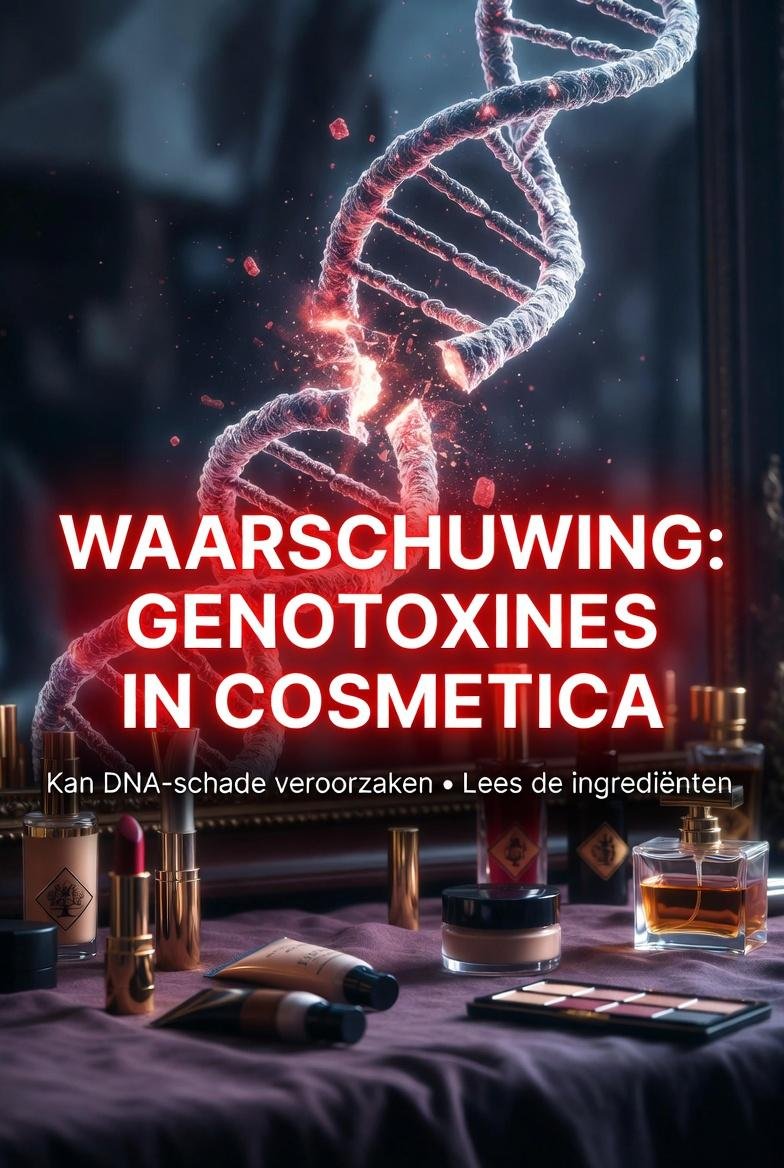
  • Schoonheidsindustrie in opspraak:

    Lipproducten en een heleboel zgn schone producten bevatten meestal schadelijks stoffen zoals:

    Formaldehyde
    geclassificeerd als kankerverwekkend.

    Parabenen
    verstoren de hormonen.

    Lood & Kwik
    giftige zware metalen

    Propyleenglycol (PG)
    veroorzaken huid irritaties

    Dioxines
    gelinkt aan kanker en hormoon storingen.

    Ttitaandioxide
    kleurstof met microplastic


    80%-90% van de lip-producten, uit een drogisterij of van een prestigieus merk, bevatten schadelijke stoffen zoals microplastics.

    Ttitaandioxide is bij inname een genotoxine, en dat betekent dat het chemisch je DNA verandert en mensen ziek maakt.

    Titaniumdioxide (TiO₂) is een pigment dat veel wordt gebruikt in cosmetica en make-up zoals bij:

    Foundation
    Poeders
    Zonnebrandcrème
    Oogschaduw
    Lippenstift

    Alle vrouwen die cosmetica gebruiken, krijgen daardoor een hoeveelheid microplastics in hun lichaam.

    Advies: Gebruik geen cosmetica, omdat de genotoxines zoals microplastics mensen naar gelang de hoeveelheid matig tot zeer ernstig ziek kunnen maken.


    Bronnen:

    [1] RIVM – Titaniumdioxide en gezondheid: https://www.rivm.nl/titaniumdioxide

    [2] SCCS – Opinion on titanium dioxide: https://ec.europa.eu/health/system/files/2020-05/sccs_o_238_0.pdf

    [3] RIVM – Nanodeeltjes en risico’s: https://www.rivm.nl/nanotechnologie

    [4] KREYLING, W. et al. – The role of macrophages in the clearance of inhaled ultrafine titanium dioxide particles. American Journal of Respiratory Cell and Molecular Biology (2008): https://www.atsjournals.org/doi/full/10.1165/rcmb.2007-0323OC
    Schoonheidsindustrie in opspraak: Lipproducten en een heleboel zgn schone producten bevatten meestal schadelijks stoffen zoals: Formaldehyde geclassificeerd als kankerverwekkend. Parabenen verstoren de hormonen. Lood & Kwik giftige zware metalen Propyleenglycol (PG) veroorzaken huid irritaties Dioxines gelinkt aan kanker en hormoon storingen. Ttitaandioxide kleurstof met microplastic 80%-90% van de lip-producten, uit een drogisterij of van een prestigieus merk, bevatten schadelijke stoffen zoals microplastics. Ttitaandioxide is bij inname een genotoxine, en dat betekent dat het chemisch je DNA verandert en mensen ziek maakt. Titaniumdioxide (TiO₂) is een pigment dat veel wordt gebruikt in cosmetica en make-up zoals bij: Foundation Poeders Zonnebrandcrème Oogschaduw Lippenstift Alle vrouwen die cosmetica gebruiken, krijgen daardoor een hoeveelheid microplastics in hun lichaam. Advies: Gebruik geen cosmetica, omdat de genotoxines zoals microplastics mensen naar gelang de hoeveelheid matig tot zeer ernstig ziek kunnen maken. Bronnen: [1] RIVM – Titaniumdioxide en gezondheid: https://www.rivm.nl/titaniumdioxide [2] SCCS – Opinion on titanium dioxide: https://ec.europa.eu/health/system/files/2020-05/sccs_o_238_0.pdf [3] RIVM – Nanodeeltjes en risico’s: https://www.rivm.nl/nanotechnologie [4] KREYLING, W. et al. – The role of macrophages in the clearance of inhaled ultrafine titanium dioxide particles. American Journal of Respiratory Cell and Molecular Biology (2008): https://www.atsjournals.org/doi/full/10.1165/rcmb.2007-0323OC
    1
    0 Comentários 0 Compartilhamentos
  • MILITARY CHEMTRAILS (current ingredients) 👀

    1. Pseudomonas Aeruginosa - bacteria that generally attack the lungs

    2. Pseudomonas fluorescence - bacteria that cause blood and respiratory infections

    3. Seratia markscens - bacteria that cause pneumonia, encephalitis, heart inflammation

    4. Micoplasma fermented incognitus - pathogenic microorganism produced by the US military and found in 45% of US soldiers (-> "Sold Golf Syndrome")

    5. Streptomyces and other types of fungi

    6. Some types of yeast

    7. Bacteria that contain certain bacterial enzymes that can alter the human genome; ingestion

    8. Barium salts

    9. Aluminum - particle size microns; (interesting, Alzheimer's; dementia; etc.)

    10. Ethylene dibromide* (dibromoethane) C2X4Br2- carcinogenic fuel additive and chloroform-scented insecticide


    INGREDIENTS:

    1. Pseudomonas Aeruginosa: bacteria that generally attack the lungs

    2. Pseudomonas fluorescence: bacteria that cause blood and respiratory infections

    3. Seratia markscens: bacteria that cause pneumonia, encephalitis, heart inflammation

    4. Micoplasma fermented incognitus: pathogenic microorganism produced by the US military and found in 45% of US soldiers

    5. Streptomyces and other types of fungi

    6. Some types of yeast

    7. Bacteria that contain certain bacterial enzymes that can alter the human genome; ingestion

    8. Barium salts

    9. Aluminum, particle size microns; (Alzheimer's; dementia; etc.)

    10. Ethylene dibromide* (dibromoethane) C2X4Br2- carcinogenic fuel additive and chloroform-scented insecticide.


    Davos elites caught on hidden camera admitting chemtrails / sulfur dioxide spraying, military‑origin weather modification, and rebranding it to keep the public calm, while laughing. They joke about governments weaponizing weather. BlackRock is named. DARPA is named.

    They poisoned the conversation for years by calling us crazy.
    Now they admit it on tape and smirk.

    This isn’t “climate policy” it’s atmospheric bio war against humanity.
    MILITARY CHEMTRAILS (current ingredients) 👀 1. Pseudomonas Aeruginosa - bacteria that generally attack the lungs 2. Pseudomonas fluorescence - bacteria that cause blood and respiratory infections 3. Seratia markscens - bacteria that cause pneumonia, encephalitis, heart inflammation 4. Micoplasma fermented incognitus - pathogenic microorganism produced by the US military and found in 45% of US soldiers (-> "Sold Golf Syndrome") 5. Streptomyces and other types of fungi 6. Some types of yeast 7. Bacteria that contain certain bacterial enzymes that can alter the human genome; ingestion 8. Barium salts 9. Aluminum - particle size microns; (interesting, Alzheimer's; dementia; etc.) 10. Ethylene dibromide* (dibromoethane) C2X4Br2- carcinogenic fuel additive and chloroform-scented insecticide INGREDIENTS: 1. Pseudomonas Aeruginosa: bacteria that generally attack the lungs 2. Pseudomonas fluorescence: bacteria that cause blood and respiratory infections 3. Seratia markscens: bacteria that cause pneumonia, encephalitis, heart inflammation 4. Micoplasma fermented incognitus: pathogenic microorganism produced by the US military and found in 45% of US soldiers 5. Streptomyces and other types of fungi 6. Some types of yeast 7. Bacteria that contain certain bacterial enzymes that can alter the human genome; ingestion 8. Barium salts 9. Aluminum, particle size microns; (Alzheimer's; dementia; etc.) 10. Ethylene dibromide* (dibromoethane) C2X4Br2- carcinogenic fuel additive and chloroform-scented insecticide. Davos elites caught on hidden camera admitting chemtrails / sulfur dioxide spraying, military‑origin weather modification, and rebranding it to keep the public calm, while laughing. They joke about governments weaponizing weather. BlackRock is named. DARPA is named. They poisoned the conversation for years by calling us crazy. Now they admit it on tape and smirk. This isn’t “climate policy” it’s atmospheric bio war against humanity.
    0 Comentários 0 Compartilhamentos
  • Dit schattige dikdik -kalfje is pasgeboren en vertoont nu al het aparte alerte, gedrag waar ze om bekend staan. Hun flexibele neusjes helpen bij de regulering van de lichaamstemperatuur en trekken vaak samen terwijl ze geuren uit de lucht oppikken.:smiling-face-with-hearts:
    Dit schattige dikdik -kalfje is pasgeboren en vertoont nu al het aparte alerte, gedrag waar ze om bekend staan. Hun flexibele neusjes helpen bij de regulering van de lichaamstemperatuur en trekken vaak samen terwijl ze geuren uit de lucht oppikken.:smiling-face-with-hearts:
    1
    1 0 Comentários 0 Compartilhamentos
  • The Woman Who Said “No” and Saved a Generation

    ​In 1960, a 46-year-old pharmacologist named Dr. Frances Oldham Kelsey started her first day at the FDA. Within five weeks, she was handed an application that seemed like a "formality."

    ​The drug was Kevadon (Thalidomide). It was already a massive success in Europe, marketed as a "wonder drug" for pregnant women suffering from morning sickness. Most expected her to sign off immediately.

    ​But Frances felt something wasn't right.
    ​She noticed the clinical data was vague. There was almost no evidence showing how the drug affected a developing fetus. While the pharmaceutical company, Richardson-Merrell, pressured her to rush the approval, she stood her ground.

    ​The Pressure Was Suffocating

    ​For 19 months, the company relentlessly hounded her. They:

    ​Visited her office over 50 times.

    ​Called her "unreasonable" and "stubborn."

    ​Complained to her supervisors, trying to go over her head.

    ​Had doctors write letters demanding she release the drug.

    ​Can you imagine the weight on her shoulders? A new employee standing up to a corporate giant and an entire industry. But her mantra was simple: "Show me the data."

    ​A Devastating Discovery

    ​By November 1961, the world’s worst fears came true. In Germany and Australia, babies were being born with Phocomelia—severe limb malformations. Some were born with flipper-like hands attached to their shoulders; others had no limbs at all.

    ​Thousands of babies were born with these deformities, and thousands more were stillborn. Thalidomide was the cause.

    ​The Silent Hero

    ​Because Dr. Kelsey refused to be bullied, the damage in the United States was largely contained. She didn't just do her job; she protected the future.

    ​On August 7, 1962, President John F. Kennedy awarded her the President’s Award for Distinguished Federal Civilian Service. She was only the second woman to ever receive it.

    ​We often talk about "changing the world." Dr. Kelsey changed it with one word: No.
    ​Sometimes, being "stubborn" is the most heroic thing you can be.

    ​What do you think of Dr. Kelsey's story? Does it inspire you to stand firm in your convictions, even when the world is pushing back?
    The Woman Who Said “No” and Saved a Generation ​In 1960, a 46-year-old pharmacologist named Dr. Frances Oldham Kelsey started her first day at the FDA. Within five weeks, she was handed an application that seemed like a "formality." ​The drug was Kevadon (Thalidomide). It was already a massive success in Europe, marketed as a "wonder drug" for pregnant women suffering from morning sickness. Most expected her to sign off immediately. ​But Frances felt something wasn't right. ​She noticed the clinical data was vague. There was almost no evidence showing how the drug affected a developing fetus. While the pharmaceutical company, Richardson-Merrell, pressured her to rush the approval, she stood her ground. ​The Pressure Was Suffocating ​For 19 months, the company relentlessly hounded her. They: ​Visited her office over 50 times. ​Called her "unreasonable" and "stubborn." ​Complained to her supervisors, trying to go over her head. ​Had doctors write letters demanding she release the drug. ​Can you imagine the weight on her shoulders? A new employee standing up to a corporate giant and an entire industry. But her mantra was simple: "Show me the data." ​A Devastating Discovery ​By November 1961, the world’s worst fears came true. In Germany and Australia, babies were being born with Phocomelia—severe limb malformations. Some were born with flipper-like hands attached to their shoulders; others had no limbs at all. ​Thousands of babies were born with these deformities, and thousands more were stillborn. Thalidomide was the cause. ​The Silent Hero ​Because Dr. Kelsey refused to be bullied, the damage in the United States was largely contained. She didn't just do her job; she protected the future. ​On August 7, 1962, President John F. Kennedy awarded her the President’s Award for Distinguished Federal Civilian Service. She was only the second woman to ever receive it. ​We often talk about "changing the world." Dr. Kelsey changed it with one word: No. ​Sometimes, being "stubborn" is the most heroic thing you can be. ​What do you think of Dr. Kelsey's story? Does it inspire you to stand firm in your convictions, even when the world is pushing back?

    1
    1 0 Comentários 0 Compartilhamentos
  • Schokkende Connectie:

    Hoe een Simpele Duitse Boer de Nederlandse Koninklijke Familie Koppelde aan het Nazi-Wapenimperium

    Een boer uit de 17e eeuw uit het Duitse Bergisches Land is opgedoken als de verrassende schakel die Koning Willem-Alexander en Koningin Máxima verbindt met het beruchte Krupp-wapenimperium dat twee wereldoorlogen mee hielp aanwakkeren. Via Pieter Halbach (1634-1686) loopt een directe bloedlijn rechtstreeks naar het hart van het Duitse militair-industriële complex.

    De nakomelingen van Halbach stegen razendsnel op door de rangen in de 19e eeuw. Eén tak, via de familie Von Bohlen und Halbach, leidde tot Gustav Krupp von Bohlen und Halbach (1870-1950). Hij huwde Bertha Krupp en nam de controle over het machtige staal- en wapensconcern Friedrich Krupp AG in Essen. Het bedrijf werd de drijvende kracht achter de Duitse oorlogsindustrie.

    Tijdens de Eerste Wereldoorlog produceerde Krupp de beruchte Big Bertha-kanonnen die Belgische en Franse forten verpulverden, superkanonnen die Parijs bestookten, en talloze U-boten. Na de nederlaag begon Gustav in het geheim met herbewapening, en bereidde hij het bedrijf voor op het volgende conflict.

    Toen Hitler aan de macht kwam, omarmde de familie het regime volledig. Krupp produceerde tanks, de gevreesde 88mm-kanonnen, pantservoertuigen en miljoenen granaten.

    Tienduizenden dwangarbeiders en concentratiekampgevangenen werden gedwongen te werken onder verschrikkelijke omstandigheden voor de nazi-oorlogsmasjinerie. Krupp werd het ultieme symbool van de sinistere alliantie tussen grootbedrijf en het Derde Rijk.

    Hier komt de Nederlandse koninklijke familie in beeld. Via dezelfde Halbach-lijn was Prins Bernhard van Lippe-Biesterfeld — echtgenoot van Koningin Juliana en grootvader van Koning Willem-Alexander — direct verwant aan de Krupp-dynastie. Bernhard, die later ontkende lid te zijn geweest van de NSDAP, groeide op in kringen waar deze industriële elite floreerde.

    Bovendien delen Koning Willem-Alexander en Koningin Máxima zelf een bloedband via diezelfde Pieter Halbach. Ze zijn daarom extreem verre familieleden (verre neven en nichten). Deze connectie werd openbaar in september 1999, rond de tijd dat hun relatie werd aangekondigd.

    In het legendarische Hotel Adlon in Berlijn, de favoriete ontmoetingsplaats van de nazi-elite, hoge officieren en industriëlen, werden deals gesloten en weelderige feesten gehouden terwijl Krupp-tanks klaarstonden voor de volgende verovering. Terwijl het Nederlandse volk later leed onder de Duitse bezetting, bleek de schoonzoon van Koningin Wilhelmina verbonden te zijn, via verre voorouders, met precies dat militair-industriële complex.

    Een gewone boer uit 1686 wiens nakomelingen zich over de eeuwen verspreidden: één tak naar Argentinië (en uiteindelijk naar Máxima via de Bonorino-Halbach-lijn), de andere naar het Krupp-imperium en, via Bernhard, naar het Huis van Oranje. Een opmerkelijk sterke maar huiveringwekkende genealogische connectie die laat zien hoe een enkele familieband twee wereldoorlogen, het Nederlandse koningshuis en het donkerste hoofdstuk van de Europese geschiedenis kan verweven.

    Prins Bernhard (1911-2004) was lid van de Duitse nazipartij (NSDAP) vóór de Tweede Wereldoorlog, een feit dat hij tot zijn dood ontkende maar dat werd bevestigd door een in 2023 gevonden lidmaatschapskaart in zijn eigen archief. Hoewel hij lid was, beschouwen historici hem eerder als een opportunist dan een overtuigd nazi.


    https://www.youtube.com/watch?v=gKT-c9cgBS0


    Bronnen:

    1. Telegraaf 18 September 1999 – “Willem-Alexander en Maxima hebben zelfde stamvader”: https://krant.telegraaf.nl/krant/archief/19990918/teksten/bin.willemalexander.html…
    2. Genealogie van Willem-Alexander en Halbach-lijn: https://heinbruins.nl/ancestors-of-willem-alexander-king-of-the-netherlands…
    3. Ancestry van Willem-Alexander inclusief Mathilde Halbach: https://unofficialroyalty.com/ancestors-of-king-willem-alexander-of-the-netherlands/…
    4. Gustav Krupp von Bohlen und Halbach en Krupp-geschiedenis: https://en.wikipedia.org/wiki/Gustav_Krupp_von_Bohlen_und_Halbach…
    5. Thyssenkrupp officiële geschiedenis over Gustav en Bertha Krupp: https://thyssenkrupp.com/en/company/history/the-founding-families/gustav-krupp-von-bohlen-und-halbach-and-bertha-krupp-von-bohlen-und-halbach.html…
    6. USHMM over Gustav Krupp en Nazi-samenwerking: https://encyclopedia.ushmm.org/content/en/article/gustav-krupp-von-bohlen-und-halbach…
    7. Ancestry van prins Bernhard inclusief Halbach via Wartensleben: https://en.wikipedia.org/wiki/Prince_Bernhard_of_Lippe-Biesterfeld…
    8. Máxima’s voorouders inclusief Bonorino-Halbach: http://wargs.com/royal/maxima.html…
    9. Hotel Adlon tijdens Nazi-periode:

    Schokkende Connectie: Hoe een Simpele Duitse Boer de Nederlandse Koninklijke Familie Koppelde aan het Nazi-Wapenimperium Een boer uit de 17e eeuw uit het Duitse Bergisches Land is opgedoken als de verrassende schakel die Koning Willem-Alexander en Koningin Máxima verbindt met het beruchte Krupp-wapenimperium dat twee wereldoorlogen mee hielp aanwakkeren. Via Pieter Halbach (1634-1686) loopt een directe bloedlijn rechtstreeks naar het hart van het Duitse militair-industriële complex. De nakomelingen van Halbach stegen razendsnel op door de rangen in de 19e eeuw. Eén tak, via de familie Von Bohlen und Halbach, leidde tot Gustav Krupp von Bohlen und Halbach (1870-1950). Hij huwde Bertha Krupp en nam de controle over het machtige staal- en wapensconcern Friedrich Krupp AG in Essen. Het bedrijf werd de drijvende kracht achter de Duitse oorlogsindustrie. Tijdens de Eerste Wereldoorlog produceerde Krupp de beruchte Big Bertha-kanonnen die Belgische en Franse forten verpulverden, superkanonnen die Parijs bestookten, en talloze U-boten. Na de nederlaag begon Gustav in het geheim met herbewapening, en bereidde hij het bedrijf voor op het volgende conflict. Toen Hitler aan de macht kwam, omarmde de familie het regime volledig. Krupp produceerde tanks, de gevreesde 88mm-kanonnen, pantservoertuigen en miljoenen granaten. Tienduizenden dwangarbeiders en concentratiekampgevangenen werden gedwongen te werken onder verschrikkelijke omstandigheden voor de nazi-oorlogsmasjinerie. Krupp werd het ultieme symbool van de sinistere alliantie tussen grootbedrijf en het Derde Rijk. Hier komt de Nederlandse koninklijke familie in beeld. Via dezelfde Halbach-lijn was Prins Bernhard van Lippe-Biesterfeld — echtgenoot van Koningin Juliana en grootvader van Koning Willem-Alexander — direct verwant aan de Krupp-dynastie. Bernhard, die later ontkende lid te zijn geweest van de NSDAP, groeide op in kringen waar deze industriële elite floreerde. Bovendien delen Koning Willem-Alexander en Koningin Máxima zelf een bloedband via diezelfde Pieter Halbach. Ze zijn daarom extreem verre familieleden (verre neven en nichten). Deze connectie werd openbaar in september 1999, rond de tijd dat hun relatie werd aangekondigd. In het legendarische Hotel Adlon in Berlijn, de favoriete ontmoetingsplaats van de nazi-elite, hoge officieren en industriëlen, werden deals gesloten en weelderige feesten gehouden terwijl Krupp-tanks klaarstonden voor de volgende verovering. Terwijl het Nederlandse volk later leed onder de Duitse bezetting, bleek de schoonzoon van Koningin Wilhelmina verbonden te zijn, via verre voorouders, met precies dat militair-industriële complex. Een gewone boer uit 1686 wiens nakomelingen zich over de eeuwen verspreidden: één tak naar Argentinië (en uiteindelijk naar Máxima via de Bonorino-Halbach-lijn), de andere naar het Krupp-imperium en, via Bernhard, naar het Huis van Oranje. Een opmerkelijk sterke maar huiveringwekkende genealogische connectie die laat zien hoe een enkele familieband twee wereldoorlogen, het Nederlandse koningshuis en het donkerste hoofdstuk van de Europese geschiedenis kan verweven. Prins Bernhard (1911-2004) was lid van de Duitse nazipartij (NSDAP) vóór de Tweede Wereldoorlog, een feit dat hij tot zijn dood ontkende maar dat werd bevestigd door een in 2023 gevonden lidmaatschapskaart in zijn eigen archief. Hoewel hij lid was, beschouwen historici hem eerder als een opportunist dan een overtuigd nazi. https://www.youtube.com/watch?v=gKT-c9cgBS0 Bronnen: 1. Telegraaf 18 September 1999 – “Willem-Alexander en Maxima hebben zelfde stamvader”: https://krant.telegraaf.nl/krant/archief/19990918/teksten/bin.willemalexander.html… 2. Genealogie van Willem-Alexander en Halbach-lijn: https://heinbruins.nl/ancestors-of-willem-alexander-king-of-the-netherlands… 3. Ancestry van Willem-Alexander inclusief Mathilde Halbach: https://unofficialroyalty.com/ancestors-of-king-willem-alexander-of-the-netherlands/… 4. Gustav Krupp von Bohlen und Halbach en Krupp-geschiedenis: https://en.wikipedia.org/wiki/Gustav_Krupp_von_Bohlen_und_Halbach… 5. Thyssenkrupp officiële geschiedenis over Gustav en Bertha Krupp: https://thyssenkrupp.com/en/company/history/the-founding-families/gustav-krupp-von-bohlen-und-halbach-and-bertha-krupp-von-bohlen-und-halbach.html… 6. USHMM over Gustav Krupp en Nazi-samenwerking: https://encyclopedia.ushmm.org/content/en/article/gustav-krupp-von-bohlen-und-halbach… 7. Ancestry van prins Bernhard inclusief Halbach via Wartensleben: https://en.wikipedia.org/wiki/Prince_Bernhard_of_Lippe-Biesterfeld… 8. Máxima’s voorouders inclusief Bonorino-Halbach: http://wargs.com/royal/maxima.html… 9. Hotel Adlon tijdens Nazi-periode:
    1
    0 Comentários 0 Compartilhamentos
  • The Babylonian Map of the World with Irving Finkel | Curator’s Corner S9 Ep5

    The Babylonian map of the world is the oldest map of the world, in the world. Written and inscribed on clay in Mesopotamia around 2,900-years-ago, it is, like so many cuneiform tablets, incomplete. However, Irving Finkel and a particularly gifted student of his - Edith Horsley - managed to locate a missing piece of the map, slot it back into the cuneiform tablet, and from there set us all on journey through the somewhat mythical landscape of Mesopotamia to find the final resting place of the ark. And yes we mean that ark, as in Noah's ark. Although in the earlier Mesopotamian version of the flood story, the ark is built by Ziusudra.

    00:00 Intro

    00:52 Ancient Mesopotamian Cuneiform Tablets

    01:48 The oldest map of the world, in the world

    02:07 What is the Babylonian Map of the World?

    02:34 The Babylonian Map of the World explained

    04:13 What are the triangles on the Babylonian Map of the
    World?

    06:17 Missing triangle on the Babylonian Map of the World

    06:52 Edith Horsley - Cuneiform LEGEND

    07:20 Channel 4 News report on Babylonian Map of the World September 1995

    08:32 BABY IRVING!

    09:48 What the missing piece revealed

    11:39 The ark and parsiktu-vessel

    13:22 Mount Ararat and Mount Urartu

    14:18 What does it all mean?

    15:07 Author of Babylonian Map of the World

    17:07 Next episode of Curator's Corner • Archaeologists keep re-excavating this 400...

    https://www.youtube.com/watch?v=LUxFzh8r384
    The Babylonian Map of the World with Irving Finkel | Curator’s Corner S9 Ep5 The Babylonian map of the world is the oldest map of the world, in the world. Written and inscribed on clay in Mesopotamia around 2,900-years-ago, it is, like so many cuneiform tablets, incomplete. However, Irving Finkel and a particularly gifted student of his - Edith Horsley - managed to locate a missing piece of the map, slot it back into the cuneiform tablet, and from there set us all on journey through the somewhat mythical landscape of Mesopotamia to find the final resting place of the ark. And yes we mean that ark, as in Noah's ark. Although in the earlier Mesopotamian version of the flood story, the ark is built by Ziusudra. 00:00 Intro 00:52 Ancient Mesopotamian Cuneiform Tablets 01:48 The oldest map of the world, in the world 02:07 What is the Babylonian Map of the World? 02:34 The Babylonian Map of the World explained 04:13 What are the triangles on the Babylonian Map of the World? 06:17 Missing triangle on the Babylonian Map of the World 06:52 Edith Horsley - Cuneiform LEGEND 07:20 Channel 4 News report on Babylonian Map of the World September 1995 08:32 BABY IRVING! 09:48 What the missing piece revealed 11:39 The ark and parsiktu-vessel 13:22 Mount Ararat and Mount Urartu 14:18 What does it all mean? 15:07 Author of Babylonian Map of the World 17:07 Next episode of Curator's Corner • Archaeologists keep re-excavating this 400... https://www.youtube.com/watch?v=LUxFzh8r384
    1
    0 Comentários 0 Compartilhamentos
Páginas Impulsionadas