• Rauwe koemelk WERD NOOIT UIT GEZONDHEIDSREDENEN VERBODEN: HET ROCKEFELLER-PLAN OM KLEINE BOERENHOEVEN TE VERNIETIGEN EN DE MELK TE CONTROLEREN 🚨

    Rauwe melk werd niet verboden voor uw bescherming. Het werd begin 20e eeuw bewust door de Rockefellers geviseerd en kapotgemaakt.

    Hun doel was eenvoudig: kleine familiezuivelbedrijven uitroeien en hun eigen reusachtig imperium voor gepasteuriseerde melkproducten opbouwen, om waanzinnige winsten te behalen. Niet de veiligheid, maar de macht heeft de hele industrie gepasteuriseerd. Terwijl de grote zuivelconcerns en hun gekochte wetenschappers waarschuwden voor gevaarlijke bacteriën, ging het hen in werkelijkheid om controle.

    Kleine boerenhoeven die verse, nutrientrijke rohmelf direct van de koe verkochten, bedreigden alles. Ze konden het onafhankelijke producenten niet toestaan zich te ontwikkelen. Daarom werd pasteurisatie voor iedereen afgedwongen. Dit proces doodde de voedingsstoffen in de levensmiddelen af, creëerde houdbare massa en leidde al het geld naar gecentraliseerde fabrieken. Lokale boeren werden geruïneerd.

    De melkvoorziening werd gemonopoliseerd. Uw over-overgrootouders dronken generaties lang zonder problemen rohmelf. En toen, in het industrieel tijdperk, werd het plotseling „dodelijk“?

    Dat was geen toeval. Het was berekend. In de oorlog tegen rohmelf ging het altijd al om het onderdrukken van de voedselvrijheid en het maken van mensen tot afhankelijke klanten van hun gesteriliseerde systeem.

    Ondersteun jullie lokale boerenhoeven! Doorbraak het monopolie! Het is tijd om de waarheid aan het licht te brengen.
    Rauwe koemelk WERD NOOIT UIT GEZONDHEIDSREDENEN VERBODEN: HET ROCKEFELLER-PLAN OM KLEINE BOERENHOEVEN TE VERNIETIGEN EN DE MELK TE CONTROLEREN 🚨 Rauwe melk werd niet verboden voor uw bescherming. Het werd begin 20e eeuw bewust door de Rockefellers geviseerd en kapotgemaakt. Hun doel was eenvoudig: kleine familiezuivelbedrijven uitroeien en hun eigen reusachtig imperium voor gepasteuriseerde melkproducten opbouwen, om waanzinnige winsten te behalen. Niet de veiligheid, maar de macht heeft de hele industrie gepasteuriseerd. Terwijl de grote zuivelconcerns en hun gekochte wetenschappers waarschuwden voor gevaarlijke bacteriën, ging het hen in werkelijkheid om controle. Kleine boerenhoeven die verse, nutrientrijke rohmelf direct van de koe verkochten, bedreigden alles. Ze konden het onafhankelijke producenten niet toestaan zich te ontwikkelen. Daarom werd pasteurisatie voor iedereen afgedwongen. Dit proces doodde de voedingsstoffen in de levensmiddelen af, creëerde houdbare massa en leidde al het geld naar gecentraliseerde fabrieken. Lokale boeren werden geruïneerd. De melkvoorziening werd gemonopoliseerd. Uw over-overgrootouders dronken generaties lang zonder problemen rohmelf. En toen, in het industrieel tijdperk, werd het plotseling „dodelijk“? Dat was geen toeval. Het was berekend. In de oorlog tegen rohmelf ging het altijd al om het onderdrukken van de voedselvrijheid en het maken van mensen tot afhankelijke klanten van hun gesteriliseerde systeem. Ondersteun jullie lokale boerenhoeven! Doorbraak het monopolie! Het is tijd om de waarheid aan het licht te brengen.
    0 0 Reacties 0 Shares
  • Schoonheidsindustrie in opspraak:

    Lipproducten en een heleboel zgn schone producten bevatten meestal schadelijks stoffen zoals:

    Formaldehyde
    geclassificeerd als kankerverwekkend.

    Parabenen
    verstoren de hormonen.

    Lood & Kwik
    giftige zware metalen

    Propyleenglycol (PG)
    veroorzaken huid irritaties

    Dioxines
    gelinkt aan kanker en hormoon storingen.

    Ttitaandioxide
    kleurstof met microplastic


    80%-90% van de lip-producten, uit een drogisterij of van een prestigieus merk, bevatten schadelijke stoffen zoals microplastics.

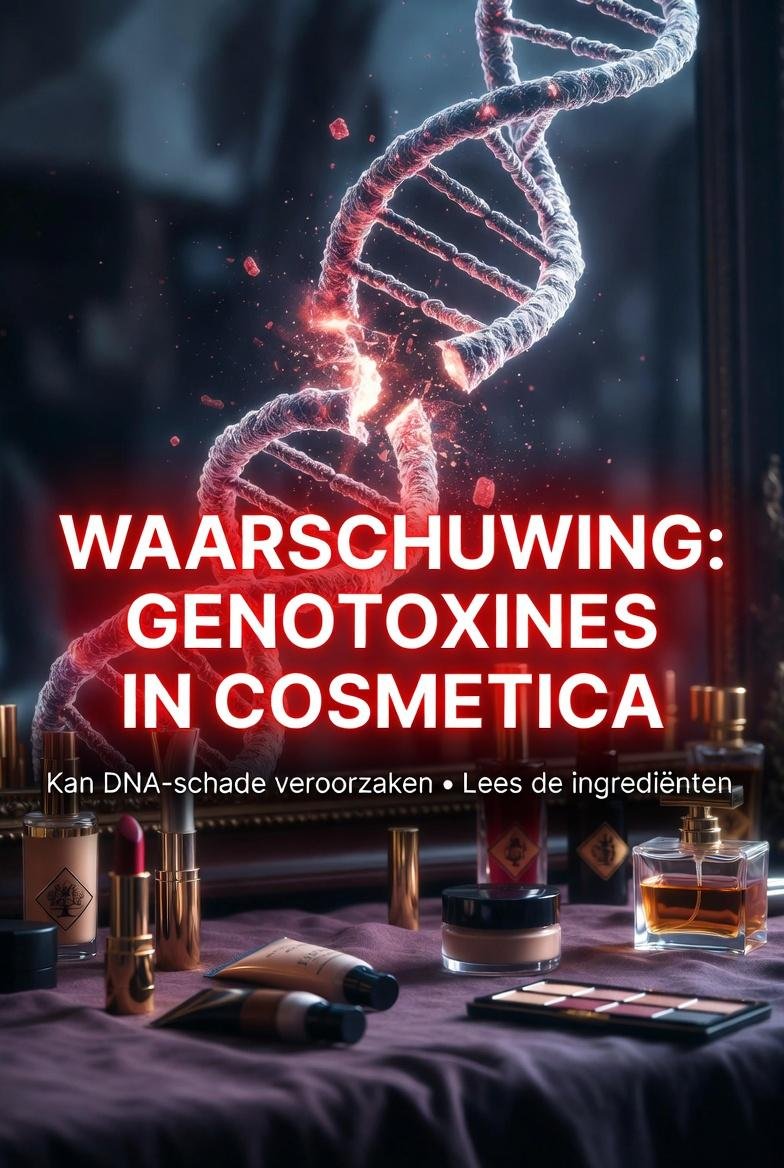
    Ttitaandioxide is bij inname een genotoxine, en dat betekent dat het chemisch je DNA verandert en mensen ziek maakt.

    Titaniumdioxide (TiO₂) is een pigment dat veel wordt gebruikt in cosmetica en make-up zoals bij:

    Foundation
    Poeders
    Zonnebrandcrème
    Oogschaduw
    Lippenstift

    Alle vrouwen die cosmetica gebruiken, krijgen daardoor een hoeveelheid microplastics in hun lichaam.

    Advies: Gebruik geen cosmetica, omdat de genotoxines zoals microplastics mensen naar gelang de hoeveelheid matig tot zeer ernstig ziek kunnen maken.


    Bronnen:

    [1] RIVM – Titaniumdioxide en gezondheid: https://www.rivm.nl/titaniumdioxide

    [2] SCCS – Opinion on titanium dioxide: https://ec.europa.eu/health/system/files/2020-05/sccs_o_238_0.pdf

    [3] RIVM – Nanodeeltjes en risico’s: https://www.rivm.nl/nanotechnologie

    [4] KREYLING, W. et al. – The role of macrophages in the clearance of inhaled ultrafine titanium dioxide particles. American Journal of Respiratory Cell and Molecular Biology (2008): https://www.atsjournals.org/doi/full/10.1165/rcmb.2007-0323OC
    Schoonheidsindustrie in opspraak: Lipproducten en een heleboel zgn schone producten bevatten meestal schadelijks stoffen zoals: Formaldehyde geclassificeerd als kankerverwekkend. Parabenen verstoren de hormonen. Lood & Kwik giftige zware metalen Propyleenglycol (PG) veroorzaken huid irritaties Dioxines gelinkt aan kanker en hormoon storingen. Ttitaandioxide kleurstof met microplastic 80%-90% van de lip-producten, uit een drogisterij of van een prestigieus merk, bevatten schadelijke stoffen zoals microplastics. Ttitaandioxide is bij inname een genotoxine, en dat betekent dat het chemisch je DNA verandert en mensen ziek maakt. Titaniumdioxide (TiO₂) is een pigment dat veel wordt gebruikt in cosmetica en make-up zoals bij: Foundation Poeders Zonnebrandcrème Oogschaduw Lippenstift Alle vrouwen die cosmetica gebruiken, krijgen daardoor een hoeveelheid microplastics in hun lichaam. Advies: Gebruik geen cosmetica, omdat de genotoxines zoals microplastics mensen naar gelang de hoeveelheid matig tot zeer ernstig ziek kunnen maken. Bronnen: [1] RIVM – Titaniumdioxide en gezondheid: https://www.rivm.nl/titaniumdioxide [2] SCCS – Opinion on titanium dioxide: https://ec.europa.eu/health/system/files/2020-05/sccs_o_238_0.pdf [3] RIVM – Nanodeeltjes en risico’s: https://www.rivm.nl/nanotechnologie [4] KREYLING, W. et al. – The role of macrophages in the clearance of inhaled ultrafine titanium dioxide particles. American Journal of Respiratory Cell and Molecular Biology (2008): https://www.atsjournals.org/doi/full/10.1165/rcmb.2007-0323OC
    1
    0 Reacties 0 Shares
  • Unieke methode om af te richten #koekjes honden snack service met bel
    Unieke methode om af te richten #koekjes honden snack service met bel :smiling-face-with-hearts:
    1
    0 0 Reacties 0 Shares
  • Schokkende Connectie:

    Hoe een Simpele Duitse Boer de Nederlandse Koninklijke Familie Koppelde aan het Nazi-Wapenimperium

    Een boer uit de 17e eeuw uit het Duitse Bergisches Land is opgedoken als de verrassende schakel die Koning Willem-Alexander en Koningin Máxima verbindt met het beruchte Krupp-wapenimperium dat twee wereldoorlogen mee hielp aanwakkeren. Via Pieter Halbach (1634-1686) loopt een directe bloedlijn rechtstreeks naar het hart van het Duitse militair-industriële complex.

    De nakomelingen van Halbach stegen razendsnel op door de rangen in de 19e eeuw. Eén tak, via de familie Von Bohlen und Halbach, leidde tot Gustav Krupp von Bohlen und Halbach (1870-1950). Hij huwde Bertha Krupp en nam de controle over het machtige staal- en wapensconcern Friedrich Krupp AG in Essen. Het bedrijf werd de drijvende kracht achter de Duitse oorlogsindustrie.

    Tijdens de Eerste Wereldoorlog produceerde Krupp de beruchte Big Bertha-kanonnen die Belgische en Franse forten verpulverden, superkanonnen die Parijs bestookten, en talloze U-boten. Na de nederlaag begon Gustav in het geheim met herbewapening, en bereidde hij het bedrijf voor op het volgende conflict.

    Toen Hitler aan de macht kwam, omarmde de familie het regime volledig. Krupp produceerde tanks, de gevreesde 88mm-kanonnen, pantservoertuigen en miljoenen granaten.

    Tienduizenden dwangarbeiders en concentratiekampgevangenen werden gedwongen te werken onder verschrikkelijke omstandigheden voor de nazi-oorlogsmasjinerie. Krupp werd het ultieme symbool van de sinistere alliantie tussen grootbedrijf en het Derde Rijk.

    Hier komt de Nederlandse koninklijke familie in beeld. Via dezelfde Halbach-lijn was Prins Bernhard van Lippe-Biesterfeld — echtgenoot van Koningin Juliana en grootvader van Koning Willem-Alexander — direct verwant aan de Krupp-dynastie. Bernhard, die later ontkende lid te zijn geweest van de NSDAP, groeide op in kringen waar deze industriële elite floreerde.

    Bovendien delen Koning Willem-Alexander en Koningin Máxima zelf een bloedband via diezelfde Pieter Halbach. Ze zijn daarom extreem verre familieleden (verre neven en nichten). Deze connectie werd openbaar in september 1999, rond de tijd dat hun relatie werd aangekondigd.

    In het legendarische Hotel Adlon in Berlijn, de favoriete ontmoetingsplaats van de nazi-elite, hoge officieren en industriëlen, werden deals gesloten en weelderige feesten gehouden terwijl Krupp-tanks klaarstonden voor de volgende verovering. Terwijl het Nederlandse volk later leed onder de Duitse bezetting, bleek de schoonzoon van Koningin Wilhelmina verbonden te zijn, via verre voorouders, met precies dat militair-industriële complex.

    Een gewone boer uit 1686 wiens nakomelingen zich over de eeuwen verspreidden: één tak naar Argentinië (en uiteindelijk naar Máxima via de Bonorino-Halbach-lijn), de andere naar het Krupp-imperium en, via Bernhard, naar het Huis van Oranje. Een opmerkelijk sterke maar huiveringwekkende genealogische connectie die laat zien hoe een enkele familieband twee wereldoorlogen, het Nederlandse koningshuis en het donkerste hoofdstuk van de Europese geschiedenis kan verweven.

    Prins Bernhard (1911-2004) was lid van de Duitse nazipartij (NSDAP) vóór de Tweede Wereldoorlog, een feit dat hij tot zijn dood ontkende maar dat werd bevestigd door een in 2023 gevonden lidmaatschapskaart in zijn eigen archief. Hoewel hij lid was, beschouwen historici hem eerder als een opportunist dan een overtuigd nazi.


    https://www.youtube.com/watch?v=gKT-c9cgBS0


    Bronnen:

    1. Telegraaf 18 September 1999 – “Willem-Alexander en Maxima hebben zelfde stamvader”: https://krant.telegraaf.nl/krant/archief/19990918/teksten/bin.willemalexander.html…
    2. Genealogie van Willem-Alexander en Halbach-lijn: https://heinbruins.nl/ancestors-of-willem-alexander-king-of-the-netherlands…
    3. Ancestry van Willem-Alexander inclusief Mathilde Halbach: https://unofficialroyalty.com/ancestors-of-king-willem-alexander-of-the-netherlands/…
    4. Gustav Krupp von Bohlen und Halbach en Krupp-geschiedenis: https://en.wikipedia.org/wiki/Gustav_Krupp_von_Bohlen_und_Halbach…
    5. Thyssenkrupp officiële geschiedenis over Gustav en Bertha Krupp: https://thyssenkrupp.com/en/company/history/the-founding-families/gustav-krupp-von-bohlen-und-halbach-and-bertha-krupp-von-bohlen-und-halbach.html…
    6. USHMM over Gustav Krupp en Nazi-samenwerking: https://encyclopedia.ushmm.org/content/en/article/gustav-krupp-von-bohlen-und-halbach…
    7. Ancestry van prins Bernhard inclusief Halbach via Wartensleben: https://en.wikipedia.org/wiki/Prince_Bernhard_of_Lippe-Biesterfeld…
    8. Máxima’s voorouders inclusief Bonorino-Halbach: http://wargs.com/royal/maxima.html…
    9. Hotel Adlon tijdens Nazi-periode:

    Schokkende Connectie: Hoe een Simpele Duitse Boer de Nederlandse Koninklijke Familie Koppelde aan het Nazi-Wapenimperium Een boer uit de 17e eeuw uit het Duitse Bergisches Land is opgedoken als de verrassende schakel die Koning Willem-Alexander en Koningin Máxima verbindt met het beruchte Krupp-wapenimperium dat twee wereldoorlogen mee hielp aanwakkeren. Via Pieter Halbach (1634-1686) loopt een directe bloedlijn rechtstreeks naar het hart van het Duitse militair-industriële complex. De nakomelingen van Halbach stegen razendsnel op door de rangen in de 19e eeuw. Eén tak, via de familie Von Bohlen und Halbach, leidde tot Gustav Krupp von Bohlen und Halbach (1870-1950). Hij huwde Bertha Krupp en nam de controle over het machtige staal- en wapensconcern Friedrich Krupp AG in Essen. Het bedrijf werd de drijvende kracht achter de Duitse oorlogsindustrie. Tijdens de Eerste Wereldoorlog produceerde Krupp de beruchte Big Bertha-kanonnen die Belgische en Franse forten verpulverden, superkanonnen die Parijs bestookten, en talloze U-boten. Na de nederlaag begon Gustav in het geheim met herbewapening, en bereidde hij het bedrijf voor op het volgende conflict. Toen Hitler aan de macht kwam, omarmde de familie het regime volledig. Krupp produceerde tanks, de gevreesde 88mm-kanonnen, pantservoertuigen en miljoenen granaten. Tienduizenden dwangarbeiders en concentratiekampgevangenen werden gedwongen te werken onder verschrikkelijke omstandigheden voor de nazi-oorlogsmasjinerie. Krupp werd het ultieme symbool van de sinistere alliantie tussen grootbedrijf en het Derde Rijk. Hier komt de Nederlandse koninklijke familie in beeld. Via dezelfde Halbach-lijn was Prins Bernhard van Lippe-Biesterfeld — echtgenoot van Koningin Juliana en grootvader van Koning Willem-Alexander — direct verwant aan de Krupp-dynastie. Bernhard, die later ontkende lid te zijn geweest van de NSDAP, groeide op in kringen waar deze industriële elite floreerde. Bovendien delen Koning Willem-Alexander en Koningin Máxima zelf een bloedband via diezelfde Pieter Halbach. Ze zijn daarom extreem verre familieleden (verre neven en nichten). Deze connectie werd openbaar in september 1999, rond de tijd dat hun relatie werd aangekondigd. In het legendarische Hotel Adlon in Berlijn, de favoriete ontmoetingsplaats van de nazi-elite, hoge officieren en industriëlen, werden deals gesloten en weelderige feesten gehouden terwijl Krupp-tanks klaarstonden voor de volgende verovering. Terwijl het Nederlandse volk later leed onder de Duitse bezetting, bleek de schoonzoon van Koningin Wilhelmina verbonden te zijn, via verre voorouders, met precies dat militair-industriële complex. Een gewone boer uit 1686 wiens nakomelingen zich over de eeuwen verspreidden: één tak naar Argentinië (en uiteindelijk naar Máxima via de Bonorino-Halbach-lijn), de andere naar het Krupp-imperium en, via Bernhard, naar het Huis van Oranje. Een opmerkelijk sterke maar huiveringwekkende genealogische connectie die laat zien hoe een enkele familieband twee wereldoorlogen, het Nederlandse koningshuis en het donkerste hoofdstuk van de Europese geschiedenis kan verweven. Prins Bernhard (1911-2004) was lid van de Duitse nazipartij (NSDAP) vóór de Tweede Wereldoorlog, een feit dat hij tot zijn dood ontkende maar dat werd bevestigd door een in 2023 gevonden lidmaatschapskaart in zijn eigen archief. Hoewel hij lid was, beschouwen historici hem eerder als een opportunist dan een overtuigd nazi. https://www.youtube.com/watch?v=gKT-c9cgBS0 Bronnen: 1. Telegraaf 18 September 1999 – “Willem-Alexander en Maxima hebben zelfde stamvader”: https://krant.telegraaf.nl/krant/archief/19990918/teksten/bin.willemalexander.html… 2. Genealogie van Willem-Alexander en Halbach-lijn: https://heinbruins.nl/ancestors-of-willem-alexander-king-of-the-netherlands… 3. Ancestry van Willem-Alexander inclusief Mathilde Halbach: https://unofficialroyalty.com/ancestors-of-king-willem-alexander-of-the-netherlands/… 4. Gustav Krupp von Bohlen und Halbach en Krupp-geschiedenis: https://en.wikipedia.org/wiki/Gustav_Krupp_von_Bohlen_und_Halbach… 5. Thyssenkrupp officiële geschiedenis over Gustav en Bertha Krupp: https://thyssenkrupp.com/en/company/history/the-founding-families/gustav-krupp-von-bohlen-und-halbach-and-bertha-krupp-von-bohlen-und-halbach.html… 6. USHMM over Gustav Krupp en Nazi-samenwerking: https://encyclopedia.ushmm.org/content/en/article/gustav-krupp-von-bohlen-und-halbach… 7. Ancestry van prins Bernhard inclusief Halbach via Wartensleben: https://en.wikipedia.org/wiki/Prince_Bernhard_of_Lippe-Biesterfeld… 8. Máxima’s voorouders inclusief Bonorino-Halbach: http://wargs.com/royal/maxima.html… 9. Hotel Adlon tijdens Nazi-periode:

    1
    0 Reacties 0 Shares
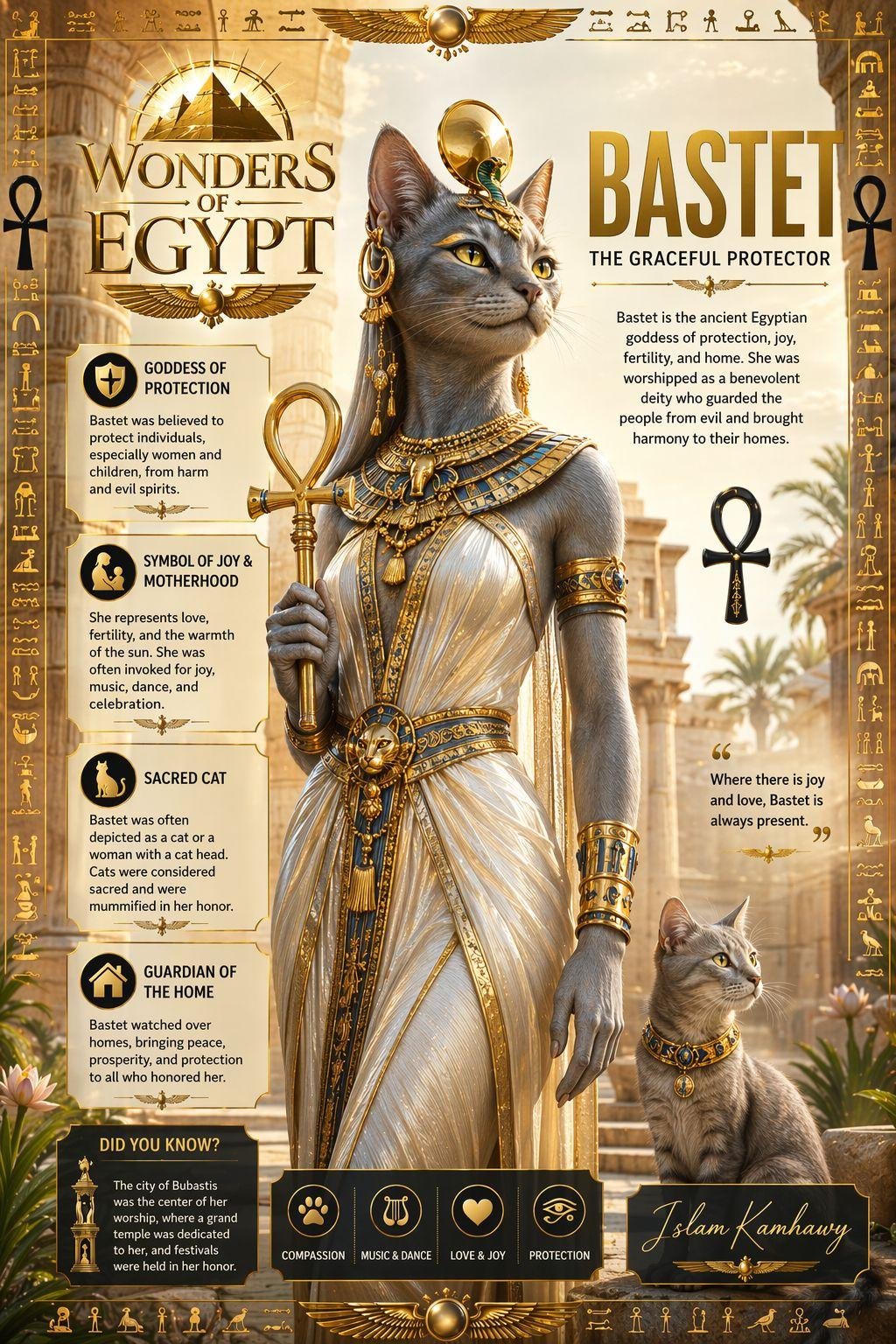
  • The wonder of the Bastet Godess
    The wonder of the Bastet Godess :smiling-face-with-halo:
    1
    0 Reacties 0 Shares
  • The Babylonian Map of the World with Irving Finkel | Curator’s Corner S9 Ep5

    The Babylonian map of the world is the oldest map of the world, in the world. Written and inscribed on clay in Mesopotamia around 2,900-years-ago, it is, like so many cuneiform tablets, incomplete. However, Irving Finkel and a particularly gifted student of his - Edith Horsley - managed to locate a missing piece of the map, slot it back into the cuneiform tablet, and from there set us all on journey through the somewhat mythical landscape of Mesopotamia to find the final resting place of the ark. And yes we mean that ark, as in Noah's ark. Although in the earlier Mesopotamian version of the flood story, the ark is built by Ziusudra.

    00:00 Intro

    00:52 Ancient Mesopotamian Cuneiform Tablets

    01:48 The oldest map of the world, in the world

    02:07 What is the Babylonian Map of the World?

    02:34 The Babylonian Map of the World explained

    04:13 What are the triangles on the Babylonian Map of the
    World?

    06:17 Missing triangle on the Babylonian Map of the World

    06:52 Edith Horsley - Cuneiform LEGEND

    07:20 Channel 4 News report on Babylonian Map of the World September 1995

    08:32 BABY IRVING!

    09:48 What the missing piece revealed

    11:39 The ark and parsiktu-vessel

    13:22 Mount Ararat and Mount Urartu

    14:18 What does it all mean?

    15:07 Author of Babylonian Map of the World

    17:07 Next episode of Curator's Corner • Archaeologists keep re-excavating this 400...

    https://www.youtube.com/watch?v=LUxFzh8r384
    The Babylonian Map of the World with Irving Finkel | Curator’s Corner S9 Ep5 The Babylonian map of the world is the oldest map of the world, in the world. Written and inscribed on clay in Mesopotamia around 2,900-years-ago, it is, like so many cuneiform tablets, incomplete. However, Irving Finkel and a particularly gifted student of his - Edith Horsley - managed to locate a missing piece of the map, slot it back into the cuneiform tablet, and from there set us all on journey through the somewhat mythical landscape of Mesopotamia to find the final resting place of the ark. And yes we mean that ark, as in Noah's ark. Although in the earlier Mesopotamian version of the flood story, the ark is built by Ziusudra. 00:00 Intro 00:52 Ancient Mesopotamian Cuneiform Tablets 01:48 The oldest map of the world, in the world 02:07 What is the Babylonian Map of the World? 02:34 The Babylonian Map of the World explained 04:13 What are the triangles on the Babylonian Map of the World? 06:17 Missing triangle on the Babylonian Map of the World 06:52 Edith Horsley - Cuneiform LEGEND 07:20 Channel 4 News report on Babylonian Map of the World September 1995 08:32 BABY IRVING! 09:48 What the missing piece revealed 11:39 The ark and parsiktu-vessel 13:22 Mount Ararat and Mount Urartu 14:18 What does it all mean? 15:07 Author of Babylonian Map of the World 17:07 Next episode of Curator's Corner • Archaeologists keep re-excavating this 400... https://www.youtube.com/watch?v=LUxFzh8r384
    1
    0 Reacties 0 Shares
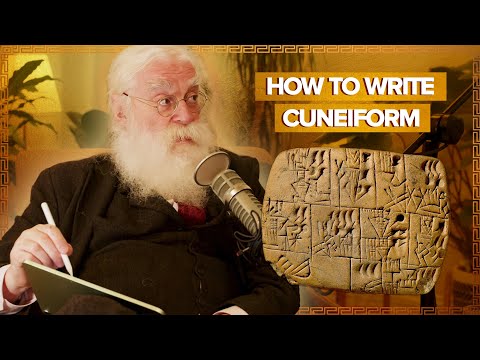
  • Irving Finkel Writes In Ancient Cuneiform

    The Ancients Podcast

    In this episode of The Ancients, Tristan Hughes is joined by Dr Irving Finkel to uncover how cuneiform actually worked and how you would write it yourself.

    More than five thousand years ago, a revolutionary script emerged in the fertile lands of Mesopotamia that would transform how people counted, governed, worshipped and told stories. This was cuneiform, the world’s earliest known writing system.

    From humble beginnings as simple pictograms tracking beer and grain, to the wedge-shaped signs that recorded myths, laws and epic tales long before the Bible, this episode explores how cuneiform spread across Sumer, Babylon, Assyria and Persia — and why these clay tablets remain one of archaeology’s richest windows into the ancient world.


    0:00 Introduction to Cuneiform
    1:40 The Oldest Script Known to Archaeology
    3:10 Sumerian: The Language Without Relatives
    5:05 Akkadian and the Spread of Cuneiform
    8:45 The Behistun Inscription: Unlocking the Code
    13:15 Why Clay? The Ultimate Data Storage
    16:15 From Pictograms to Protocuneiform
    23:55 The Shift to Straight Edges and Wedges
    28:50 Accounting for Beer: Early Tablet Bookkeeping
    37:30 How to Write: The Three Basic Strokes
    38:02 Dr. Finkel Writes Cuneiform
    1:08:00 The Decline and Legacy of the Script

    Presented by Tristan Hughes. Producers are Joseph Knight & McKenna Fernandez, senior producer is Anne-Marie Luff. Editor is Matthew Wilson. Channel manager is Vilde Øksnes.

    https://www.youtube.com/watch?v=kELoypEdMs0
    Irving Finkel Writes In Ancient Cuneiform The Ancients Podcast In this episode of The Ancients, Tristan Hughes is joined by Dr Irving Finkel to uncover how cuneiform actually worked and how you would write it yourself. More than five thousand years ago, a revolutionary script emerged in the fertile lands of Mesopotamia that would transform how people counted, governed, worshipped and told stories. This was cuneiform, the world’s earliest known writing system. From humble beginnings as simple pictograms tracking beer and grain, to the wedge-shaped signs that recorded myths, laws and epic tales long before the Bible, this episode explores how cuneiform spread across Sumer, Babylon, Assyria and Persia — and why these clay tablets remain one of archaeology’s richest windows into the ancient world. 0:00 Introduction to Cuneiform 1:40 The Oldest Script Known to Archaeology 3:10 Sumerian: The Language Without Relatives 5:05 Akkadian and the Spread of Cuneiform 8:45 The Behistun Inscription: Unlocking the Code 13:15 Why Clay? The Ultimate Data Storage 16:15 From Pictograms to Protocuneiform 23:55 The Shift to Straight Edges and Wedges 28:50 Accounting for Beer: Early Tablet Bookkeeping 37:30 How to Write: The Three Basic Strokes 38:02 Dr. Finkel Writes Cuneiform 1:08:00 The Decline and Legacy of the Script Presented by Tristan Hughes. Producers are Joseph Knight & McKenna Fernandez, senior producer is Anne-Marie Luff. Editor is Matthew Wilson. Channel manager is Vilde Øksnes. https://www.youtube.com/watch?v=kELoypEdMs0
    1
    0 Reacties 0 Shares
  • A Tour of Babylon in 570 BC — Documentary History

    #Babylon #AncientBabylon #570BC

    In 570 BC, the largest and most powerful city on Earth sits on the banks of the Euphrates River in modern-day Iraq.

    Its walls are wide enough for two chariots to race side by side along the top. Its gate is covered in bright blue glazed bricks and golden dragons that no other civilization on Earth can replicate. Its tower rises ninety meters into the sky the structure that will inspire the legend of the Tower of Babel. And every single brick in this city carries the stamped name of the king who built it.

    This is Babylon. Not the myth. Not the metaphor. The real, functioning city at the absolute peak of its power.

    https://www.youtube.com/watch?v=KiZVWFIk-MU
    A Tour of Babylon in 570 BC — Documentary History #Babylon #AncientBabylon #570BC In 570 BC, the largest and most powerful city on Earth sits on the banks of the Euphrates River in modern-day Iraq. Its walls are wide enough for two chariots to race side by side along the top. Its gate is covered in bright blue glazed bricks and golden dragons that no other civilization on Earth can replicate. Its tower rises ninety meters into the sky the structure that will inspire the legend of the Tower of Babel. And every single brick in this city carries the stamped name of the king who built it. This is Babylon. Not the myth. Not the metaphor. The real, functioning city at the absolute peak of its power. https://www.youtube.com/watch?v=KiZVWFIk-MU
    1
    0 Reacties 0 Shares
  • The Rise and Fall of Babylon: History's Greatest City (2300 - 480 BC)

    Ancient Babylon history — from a tiny town on the Euphrates River to the greatest city of the ancient world. In this history documentary, we trace the rise and fall of the Babylonian empire across nearly two thousand years of Mesopotamia's most dramatic chapter.

    Using historically grounded visuals and cinematic storytelling, this film explores:

    How a nomadic Amorite tribe seized an unremarkable town and turned it into the capital of an empire

    How Hammurabi forgave all debts on his first day as king — and then wrote laws that protected women, children, and slaves millennia before Europe

    Why Babylonian women could divorce their husbands, win in court, and remarry — in the nineteenth century BCE

    How Hammurabi played rival kingdoms against each other for thirty years before launching his conquest of all Mesopotamia

    Why the Assyrian king Sennacherib burned Babylon to the ground, flooded its ruins, and carried away its gods — and how his own sons murdered him for it

    How a Chaldean rebel named Nabopolassar rose from the ashes, crushed the Assyrian empire, and founded a new dynasty

    What Nebuchadnezzar built on top of the destruction — walls wider than the Great Wall of China, the cobalt-blue Ishtar Gate, the ziggurat Etemenanki that inspired the Tower of Babel, and the Hanging Gardens that may never have existed

    How Babylon became the first city in history to reach two hundred thousand people — when Rome was still a village

    Why the Persian conquest and the theft of one statue marked the beginning of the end

    And how the Babylon we know from ruins is not the Babylon that became a legend — but a city built on top of its ghost
    This is not a summary. It is a reconstruction of a civilization.

    https://www.youtube.com/watch?v=N-uVKIstl7M
    The Rise and Fall of Babylon: History's Greatest City (2300 - 480 BC) Ancient Babylon history — from a tiny town on the Euphrates River to the greatest city of the ancient world. In this history documentary, we trace the rise and fall of the Babylonian empire across nearly two thousand years of Mesopotamia's most dramatic chapter. Using historically grounded visuals and cinematic storytelling, this film explores: How a nomadic Amorite tribe seized an unremarkable town and turned it into the capital of an empire How Hammurabi forgave all debts on his first day as king — and then wrote laws that protected women, children, and slaves millennia before Europe Why Babylonian women could divorce their husbands, win in court, and remarry — in the nineteenth century BCE How Hammurabi played rival kingdoms against each other for thirty years before launching his conquest of all Mesopotamia Why the Assyrian king Sennacherib burned Babylon to the ground, flooded its ruins, and carried away its gods — and how his own sons murdered him for it How a Chaldean rebel named Nabopolassar rose from the ashes, crushed the Assyrian empire, and founded a new dynasty What Nebuchadnezzar built on top of the destruction — walls wider than the Great Wall of China, the cobalt-blue Ishtar Gate, the ziggurat Etemenanki that inspired the Tower of Babel, and the Hanging Gardens that may never have existed How Babylon became the first city in history to reach two hundred thousand people — when Rome was still a village Why the Persian conquest and the theft of one statue marked the beginning of the end And how the Babylon we know from ruins is not the Babylon that became a legend — but a city built on top of its ghost This is not a summary. It is a reconstruction of a civilization. https://www.youtube.com/watch?v=N-uVKIstl7M
    1
    0 Reacties 0 Shares
  • So called ‘Green’ technology is ruining our environment. By 2050 40 million tonnes of old wind turbine blades could be in landfill.

    Windmolens verpesten het leefklimaat zoals met sf6 gas en kankerverwekkende fibers / chemisch onderhoud schoonmaak gifstoffen lekken in de bodem en zee\

    De wieken doden veel vogels en steeds meer miljarden insecten o a bijen / . de biodiversiteit word kapot gemaakt en de voedselketen.

    Windmolens worden klimaat vervuilend/geproduceerd getransporteerd/geplaatst /aangewend.

    Bij brand komen er miljarden deeltjes kankerverwekkend microplastic fiber in de lucht en omgeving op het land.


    Geen enkele molen is duurzaam en rendabel

    De zogenaamde 'groene' technologie verwoest ons milieu. Tegen 2050 zouden er wel 40 miljoen ton oude windturbinebladen op stortplaatsen kunnen liggen.
    So called ‘Green’ technology is ruining our environment. By 2050 40 million tonnes of old wind turbine blades could be in landfill. Windmolens verpesten het leefklimaat zoals met sf6 gas en kankerverwekkende fibers / chemisch onderhoud schoonmaak gifstoffen lekken in de bodem en zee\ De wieken doden veel vogels en steeds meer miljarden insecten o a bijen / . de biodiversiteit word kapot gemaakt en de voedselketen. Windmolens worden klimaat vervuilend/geproduceerd getransporteerd/geplaatst /aangewend. Bij brand komen er miljarden deeltjes kankerverwekkend microplastic fiber in de lucht en omgeving op het land. Geen enkele molen is duurzaam en rendabel De zogenaamde 'groene' technologie verwoest ons milieu. Tegen 2050 zouden er wel 40 miljoen ton oude windturbinebladen op stortplaatsen kunnen liggen.
    0 0 Reacties 0 Shares
Meer resultaten