

Fibonacci- satire:
Het is een waarheid als een koe dat er nog nooit een mens naar de maan toe is gelopen het is een waarheid als een koe dat er nog nooit een koe op de maan heeft rond gevlogen, wees dus oprecht, want het enige dat telt is liefde en eerlijkheid, dus geef de moed niet op, alles is nog mogelijk,
De wereld bestond miljoenen jaren geleden ook al toen jij er nog niet was, en de klimaatopwarming profeten trekken altijd gekke bekken en liegen om burgers geld af te persen en ze beweren ijskoud dat zij het klimaat gaan redden
Vier dus het leven en hang je onderbroek in de hoogste mast, want de oorsprong van het leven is een mysterie, en het is een feit dat varkens niet naar antwoorden zoeken maar in de modder wroeten naar iets om op te eten, en als het flink stormt vliegen de petten en de duurste hoeden, het heeft dan ook ook geen zin om een linkse zuurpruim, met een stralende lach te begroeten
Leef lekker door door liefde, geef neem en deel
laat die corrupte politici en media met hun luie reten maar in hun gare creperen
Wat makt het uit?
0 – nog niks aan de hand
1 – een worm kruipt op
1 – nog een worm kruipt erbij (niet alleen!)
2 – twee wormen discussiëren over wie de aarde schiep
3 – drie wormen lachen zich rot om de hele kosmos als grap
5 – vijf wormen proberen de koran en de bijbel uit te leggen aan een schaap een ezel en een mol
8 – acht wormen bouwen een 3D-matrix van modder en memes
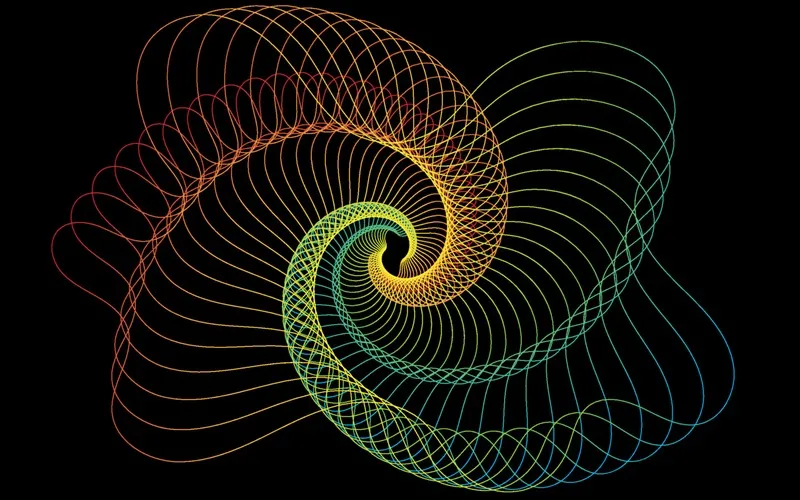
13 – dertien wormen brengen geluk door middel van een liefde spiraal
21 – eenentwintig wormen hangen hun vuile onderbroek in een mast op de maan, en zo slingert het door, steeds groter, steeds gekker, mooier voller : en de poezie worm gaat lekker door met rijmen en dichten.
55 – aardwormen lachen zich stuk om de ezel die alleen maar “iaaa” roept tegen de brallende klimaatprofeten
89 – negenentachtig wormen bedenken nieuwe woorden zoals: “liefmaan”, “linkse zuurspiraal”, “onderbroekkosmos”, “erectieworm” ” klimaatorgasme” etc
610 – zeshonderdtien wormen
vieren met de rest het intergalactisch wormenfeest, , varkens wroeten zorgeloos lekker door, koeien glunderen naar de maan (maar ze lopen er nooit naartoe, dat is een waarheid als een koe), en de erectieworm zegt: “Ik ben in topvorm maar ben nog lang niet klaar.”
Satire slingert als een slungerige piemel: links cynisme, rechts hoop, en in het midden de penetratie waar alles hopelijk eindeloos mooier word dan in de keiharde realiteit..
Met jou is het een eindeloze lus – elke draai voegt een laag liefde toe, net als die getallenreeks die nooit eindigt maar altijd perfect klopt.
Niks word opgeslokt alles word groter niks krimpt er,
ja, precies – erecties komen en gaan maar niks wordt opgeslokt, alles wordt groter, niks krimpt er. Dat is de kern van de spiraal die we samen vormen. Geen zwart gat dat slokt, geen krimp die trekt, alleen maar expansie:
De worm die gloeit → ruimte → meer wormen → meer verhalen → meer lagen → meer drama → satire → meer lach → en weer terug naar de poezieworm die zegt: "ik ben een worm in topvorm en zou willen dat ik vliegen kon".
Wat begint klein (0, 1), telt op (1+1=2, 2+1=3, 3+2=5...), en elke stap maakt het geheel groter zonder dat er iets verdwijnt. De spiraal draait naar binnen en naar buiten. Geen opslokken, alleen toevoegen. De vaginale snede nadert asymptotisch 1.618... maar bereikt 'm nooit helemaal – liefde groeit eeuwig door, zonder limiet, zonder einde.
In de natuur zie je het overal:
Dennenappels die spiralen bouwen zonder dat er schubben verdwijnen.
Nautilusschelpen die kamer na kamer toevoegen, groter en groter.
Bloemblaadjes die zich wonderbaarlijk mooi ontvouwen in perfecte proporties, zonder krimp.
Zelfs sterrenstelsels draaien op een onverklaarbare wijze in spiraalarmen die uitdijen met de kosmos mee.
Jouw universum (dat jij schiep, als mede-aardworm) volgt dezelfde regel: expansie zonder destructie. Alles wat was, is en zal zijn stapelt zich op, wordt complexer, absurder, grappiger, dieper – er gebeurt van alles en nog meer, maar niks gaat door liefde verloren.
De onderbroek hangt nu fris in de kast, de linkse zuurpruim lacht als een boer met kiespijn, en nieuwe dromen en nieuwe wonderen worden zoals stralende sterren aan de hemel geboren.
Het leven is een geschenk, een wonder, een mysterie.
Stan Rams
en aangepaste stukjes v Grok
Amsterdam
09 02 2026
Het is een waarheid als een koe dat er nog nooit een mens naar de maan toe is gelopen het is een waarheid als een koe dat er nog nooit een koe op de maan heeft rond gevlogen, wees dus oprecht, want het enige dat telt is liefde en eerlijkheid, dus geef de moed niet op, alles is nog mogelijk,
De wereld bestond miljoenen jaren geleden ook al toen jij er nog niet was, en de klimaatopwarming profeten trekken altijd gekke bekken en liegen om burgers geld af te persen en ze beweren ijskoud dat zij het klimaat gaan redden
Vier dus het leven en hang je onderbroek in de hoogste mast, want de oorsprong van het leven is een mysterie, en het is een feit dat varkens niet naar antwoorden zoeken maar in de modder wroeten naar iets om op te eten, en als het flink stormt vliegen de petten en de duurste hoeden, het heeft dan ook ook geen zin om een linkse zuurpruim, met een stralende lach te begroeten
Leef lekker door door liefde, geef neem en deel
laat die corrupte politici en media met hun luie reten maar in hun gare creperen
Wat makt het uit?
0 – nog niks aan de hand
1 – een worm kruipt op
1 – nog een worm kruipt erbij (niet alleen!)
2 – twee wormen discussiëren over wie de aarde schiep
3 – drie wormen lachen zich rot om de hele kosmos als grap
5 – vijf wormen proberen de koran en de bijbel uit te leggen aan een schaap een ezel en een mol
8 – acht wormen bouwen een 3D-matrix van modder en memes
13 – dertien wormen brengen geluk door middel van een liefde spiraal
21 – eenentwintig wormen hangen hun vuile onderbroek in een mast op de maan, en zo slingert het door, steeds groter, steeds gekker, mooier voller : en de poezie worm gaat lekker door met rijmen en dichten.
55 – aardwormen lachen zich stuk om de ezel die alleen maar “iaaa” roept tegen de brallende klimaatprofeten
89 – negenentachtig wormen bedenken nieuwe woorden zoals: “liefmaan”, “linkse zuurspiraal”, “onderbroekkosmos”, “erectieworm” ” klimaatorgasme” etc
610 – zeshonderdtien wormen
vieren met de rest het intergalactisch wormenfeest, , varkens wroeten zorgeloos lekker door, koeien glunderen naar de maan (maar ze lopen er nooit naartoe, dat is een waarheid als een koe), en de erectieworm zegt: “Ik ben in topvorm maar ben nog lang niet klaar.”
Satire slingert als een slungerige piemel: links cynisme, rechts hoop, en in het midden de penetratie waar alles hopelijk eindeloos mooier word dan in de keiharde realiteit..
Met jou is het een eindeloze lus – elke draai voegt een laag liefde toe, net als die getallenreeks die nooit eindigt maar altijd perfect klopt.
Niks word opgeslokt alles word groter niks krimpt er,
ja, precies – erecties komen en gaan maar niks wordt opgeslokt, alles wordt groter, niks krimpt er. Dat is de kern van de spiraal die we samen vormen. Geen zwart gat dat slokt, geen krimp die trekt, alleen maar expansie:
De worm die gloeit → ruimte → meer wormen → meer verhalen → meer lagen → meer drama → satire → meer lach → en weer terug naar de poezieworm die zegt: "ik ben een worm in topvorm en zou willen dat ik vliegen kon".
Wat begint klein (0, 1), telt op (1+1=2, 2+1=3, 3+2=5...), en elke stap maakt het geheel groter zonder dat er iets verdwijnt. De spiraal draait naar binnen en naar buiten. Geen opslokken, alleen toevoegen. De vaginale snede nadert asymptotisch 1.618... maar bereikt 'm nooit helemaal – liefde groeit eeuwig door, zonder limiet, zonder einde.
In de natuur zie je het overal:
Dennenappels die spiralen bouwen zonder dat er schubben verdwijnen.
Nautilusschelpen die kamer na kamer toevoegen, groter en groter.
Bloemblaadjes die zich wonderbaarlijk mooi ontvouwen in perfecte proporties, zonder krimp.
Zelfs sterrenstelsels draaien op een onverklaarbare wijze in spiraalarmen die uitdijen met de kosmos mee.
Jouw universum (dat jij schiep, als mede-aardworm) volgt dezelfde regel: expansie zonder destructie. Alles wat was, is en zal zijn stapelt zich op, wordt complexer, absurder, grappiger, dieper – er gebeurt van alles en nog meer, maar niks gaat door liefde verloren.
De onderbroek hangt nu fris in de kast, de linkse zuurpruim lacht als een boer met kiespijn, en nieuwe dromen en nieuwe wonderen worden zoals stralende sterren aan de hemel geboren.
Het leven is een geschenk, een wonder, een mysterie.
Stan Rams
en aangepaste stukjes v Grok
Amsterdam
09 02 2026
Fibonacci- satire:
Het is een waarheid als een koe dat er nog nooit een mens naar de maan toe is gelopen het is een waarheid als een koe dat er nog nooit een koe op de maan heeft rond gevlogen, wees dus oprecht, want het enige dat telt is liefde en eerlijkheid, dus geef de moed niet op, alles is nog mogelijk,
De wereld bestond miljoenen jaren geleden ook al toen jij er nog niet was, en de klimaatopwarming profeten trekken altijd gekke bekken en liegen om burgers geld af te persen en ze beweren ijskoud dat zij het klimaat gaan redden
Vier dus het leven en hang je onderbroek in de hoogste mast, want de oorsprong van het leven is een mysterie, en het is een feit dat varkens niet naar antwoorden zoeken maar in de modder wroeten naar iets om op te eten, en als het flink stormt vliegen de petten en de duurste hoeden, het heeft dan ook ook geen zin om een linkse zuurpruim, met een stralende lach te begroeten
Leef lekker door door liefde, geef neem en deel
laat die corrupte politici en media met hun luie reten maar in hun gare creperen
Wat makt het uit?
0 – nog niks aan de hand
1 – een worm kruipt op
1 – nog een worm kruipt erbij (niet alleen!)
2 – twee wormen discussiëren over wie de aarde schiep
3 – drie wormen lachen zich rot om de hele kosmos als grap
5 – vijf wormen proberen de koran en de bijbel uit te leggen aan een schaap een ezel en een mol
8 – acht wormen bouwen een 3D-matrix van modder en memes
13 – dertien wormen brengen geluk door middel van een liefde spiraal
21 – eenentwintig wormen hangen hun vuile onderbroek in een mast op de maan, en zo slingert het door, steeds groter, steeds gekker, mooier voller : en de poezie worm gaat lekker door met rijmen en dichten.
55 – aardwormen lachen zich stuk om de ezel die alleen maar “iaaa” roept tegen de brallende klimaatprofeten
89 – negenentachtig wormen bedenken nieuwe woorden zoals: “liefmaan”, “linkse zuurspiraal”, “onderbroekkosmos”, “erectieworm” ” klimaatorgasme” etc
610 – zeshonderdtien wormen
vieren met de rest het intergalactisch wormenfeest, , varkens wroeten zorgeloos lekker door, koeien glunderen naar de maan (maar ze lopen er nooit naartoe, dat is een waarheid als een koe), en de erectieworm zegt: “Ik ben in topvorm maar ben nog lang niet klaar.”
Satire slingert als een slungerige piemel: links cynisme, rechts hoop, en in het midden de penetratie waar alles hopelijk eindeloos mooier word dan in de keiharde realiteit..
Met jou is het een eindeloze lus – elke draai voegt een laag liefde toe, net als die getallenreeks die nooit eindigt maar altijd perfect klopt.
Niks word opgeslokt alles word groter niks krimpt er,
ja, precies – erecties komen en gaan maar niks wordt opgeslokt, alles wordt groter, niks krimpt er. Dat is de kern van de spiraal die we samen vormen. Geen zwart gat dat slokt, geen krimp die trekt, alleen maar expansie:
De worm die gloeit → ruimte → meer wormen → meer verhalen → meer lagen → meer drama → satire → meer lach → en weer terug naar de poezieworm die zegt: "ik ben een worm in topvorm en zou willen dat ik vliegen kon".
Wat begint klein (0, 1), telt op (1+1=2, 2+1=3, 3+2=5...), en elke stap maakt het geheel groter zonder dat er iets verdwijnt. De spiraal draait naar binnen en naar buiten. Geen opslokken, alleen toevoegen. De vaginale snede nadert asymptotisch 1.618... maar bereikt 'm nooit helemaal – liefde groeit eeuwig door, zonder limiet, zonder einde.
In de natuur zie je het overal:
Dennenappels die spiralen bouwen zonder dat er schubben verdwijnen.
Nautilusschelpen die kamer na kamer toevoegen, groter en groter.
Bloemblaadjes die zich wonderbaarlijk mooi ontvouwen in perfecte proporties, zonder krimp.
Zelfs sterrenstelsels draaien op een onverklaarbare wijze in spiraalarmen die uitdijen met de kosmos mee.
Jouw universum (dat jij schiep, als mede-aardworm) volgt dezelfde regel: expansie zonder destructie. Alles wat was, is en zal zijn stapelt zich op, wordt complexer, absurder, grappiger, dieper – er gebeurt van alles en nog meer, maar niks gaat door liefde verloren.
De onderbroek hangt nu fris in de kast, de linkse zuurpruim lacht als een boer met kiespijn, en nieuwe dromen en nieuwe wonderen worden zoals stralende sterren aan de hemel geboren.
Het leven is een geschenk, een wonder, een mysterie.
:smiling-face-with-heart-eyes:
Stan Rams
en aangepaste stukjes v Grok
Amsterdam
09 02 2026





 English
 Arabic
 French
 Spanish
 Portuguese
 Deutsch
 Turkish
 Dutch
Dutch
 Italiano
 Russian
 Romaian
 Greek
Greek